
Welcome to Science Facts Sundays.
These are some notes I took when reading Iron Rich Foods: Unlock the Iron in Your Food and Fight Iron Deficiency by Amanda Rose, Ph.D.
My daughter knows why we don’t drink milk with an iron-rich meal. She can tell you, “calcium inhibits iron absorption!”
I don’t see the point of eating foods and not being able to absorb them and utilize all their benefits. What a shame to waste the iron in our foods when we eat them with dairy products. Simply knowing to separate the foods for ultimate utilization can be helpful for combating low iron levels.
You may find this geeky - so be forewarned! If this topic doesn’t appeal to you, check back in a few weeks and I’ll have moved on to something else that you may be interested in.
Here are some morsels for you to chew on (written in my own words):
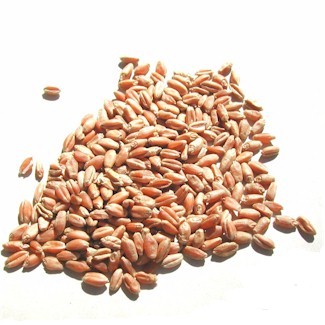
It is best to use flours high in phytase, such as rye and wheat (or buckwheat if on a gluten-free diet) if you want to unlock the iron in your grain.
The enzymes that break down phytic acid are most active in freshly ground flour. Freshly grinding your flour is one of the best improvements you can make on your bread baking if you rely on bread for your iron intake.
Sourdough is further step you can take in preparing your bread if you want to reduce phytic acid content. It allows for all the keys (Moisutre, Warmth, and Time) we need to reduce phytic acid. The moisture and soaking time involved really help improve phytic acid reduction. 60% of phytic acid in wheat can be reduced when using the sourdough method, compared to only 35% of phytic acid being reduced in yeast bread. [We'll come back to sourdough later in this series.]
Do you want the good news first when it comes to white flour, or the bad news first? Well the good news is white bread contains to phytic acid. The bad news is (and I’m sure you already know this) it also contains no minerals. The processing involved that removes the minerals also takes care of the phytic acid.
Quick breads, such as banana bread, are made so quickly not much time is given to allow for phytic acid reduction. Consider these more like desserts

Unleavened, or flat breads, generally doesn’t allow for the keys of Moisture, Warmth, and Time. You can, however, using sprouting techniques for flat breads that will improve the quality of the bread.
The first step to sprouting grains is soaking them. Some of the minerals are lost in the water during soaking, but once the grains germinate, the mineral content is increased and makes up for what was lost in the water. Germination also increases Vitamin C content, as well as folate. One particular study quoted in this text shows the folate content increased from 16mg per 100 grams to 110mg per 100 grams in just 24 hours.
That’s it for today! I hope you learned something. If you did, feel free to leave me a note in the comments If you didn’t learn anything, then you are definitely a geek! 
Next week we continue the discussion on nuts and seeds and iron and phytic acid…
 Amanda Rose, Ph.D. authored Iron Rich Foods: Unlock the Iron in Your Food and Fight Iron Deficiency, where I have based these science facts. She is also the author of Rebuild From Depression: A Nutrient Guide, Including Depression in Pregnancy and Postpartum, and the Phytic Acid White Paper: Reducing Phytic Acid in Your Food. She is also the blogger behind Traditional-Foods.com.
- Intro
- Part 1
- Part 2: Meat (and some grains)
- Part 3: Soaking Cereal Grains
- Part 4: Baked Bread
- Part 5: Beans, Nuts and Seeds
- Part 6: Vegetables
- Part 7: Fruit, Dairy, Sweeteners, Herbs and Spices
- Part 8: Beverages & Cooking in Cast Iron
- Part 9 (Final): Meal Ideas
Similar Posts:

proud contributor |
| Lea Harris founded Nourishing Treasures in 2006. A mom passionate about her family's health and well-being, Lea believes education is power. Encouraging others to take baby steps in the right direction of health for their families, Lea's goal is to raise awareness of what goes into our mouths and on our bodies, providing natural alternative information that promotes health and prevents disease by using traditional foods and nature's medicine.
Lea is a Certified Health Coach graduate from Beyond Organic University, and a Certified Aromatherapist graduate from Aromahead Institute. "Like" Nourishing Treasures on Facebook, join the Nourishing Treasures Group on Facebook, follow @NourishTreasure on Twitter, and subscribe to our newsletter. You can also find me on Learning About Essential Oils forum, and Fido Fermentation Facebook group. Disclaimer: I use affiliate links wherever possible. So if you click on a link, and make a purchase, I might make a small commission, but it doesn't cost you any more. |
I learned a lot! Thanks so much for putting all this information together. I’ve been wanting to make sourdough bread and this just convinced me that I should. I’m debating whether to buy a starter or try my water kefir as a starter, for spelt and a gluten free grain (which I’m not sure which one to use). But anyways, thanks for the info!
Thanks for leaving a comment! I’d just go with mixing kefir and flour. It works super well. Here is my recipe:
http://www.nourishingtreasures.com/sourdoughstarter