
Science Facts Sundays: Maximizing Iron Absorbency, Part 4: Baked Bread
Welcome to Science Facts Sundays.

These are some notes I took when reading Iron Rich Foods: Unlock the Iron in Your Food and Fight Iron Deficiency by Amanda Rose, PH.D.

My daughter knows why we don’t drink milk with an iron-rich meal. She can tell you, “calcium inhibits iron absorption!”

I don’t see the point of eating foods and not being able to absorb them and utilize all their benefits. What a shame to waste the iron in our foods when we eat them with dairy products. Simply knowing to separate the foods for ultimate utilization can be helpful for combating low iron levels.

You may find this geeky - so be forewarned! If fermentation doesn’t appeal to you, check back in a few weeks and I’ll have moved on to something else that you may be interested in.

This week we learn when the enzymes that bread down phytic acid are most active, how sourdough bread can reduce phytic acid (and by how much, the good news and the bad news about white flour, how quick breads are like desserts, and the benefits of sprouting… Continue reading
Reader asks why I don’t soak my grains - I need you to convince me I need to!

To Soak Grains, or Not to Soak Grains…

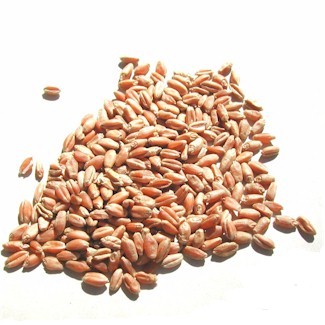
I have been asked, “I see you are a ‘real foodist,’ however I noticed you don’t specify ‘soak your grains or flour’ in your bread and pizza dough recipes. Why is that?”

Excellent question.

There is so much conflicting information out there. I have read just about everything on the subject over the last several years.

I faithfully tried (and failed) soaking and sprouting and had to throw out loaf after loaf of bread. I finally stopped guilting myself into trying again and again after reading this article on Phytic Acid by Bread Beckers.

Is Phytic Acid Actually a Friend?

In this article, Sue Beckers asks a very good question: Why does phytic acid have a bad rap? Continue reading

Coconut Oil for Alzheimer’s, and Foods to AVOID to Keep Your Mind Sharp

Thoughts on Combating Alzheimer’s with Coconut Oil

The damage done to your brain from the wrong foods and from unbalanced insulin and leptin levels actually begins decades before you show any of the telltale signs of Alzheimer’s. So it’s vitally important to make healthy decisions now, before you unwittingly do decades of damage to your brain and nerves that you may not be able to reverse.

If you undertake a coconut oil or MCTs therapy protocol, be sure to start slow with the oil, and always take it with food to minimize stomach discomfort. If it takes you a few weeks to work up to the four tablespoons of coconut oil required for a therapeutic dose, that’s normal. Not everyone can tolerate so much coconut oil in a single dose right from the start.

The coconut oil or MCTs should also be taken in the morning, as it takes a minimum of three hours for the oil to convert to ketones and reach your brain. Repeating the dose of four tablespoons of coconut oil twice a day may be beneficial for those already suffering from pre-Alzheimer’s or Alzheimer’s conditions. Continue reading

Everything You Need to Know About Colds, Part 1

Each year Americans catch more than one billion colds, making the cold virus the most common infectious disease in the United States.

It accounts for more school absences and missed work than any other illness, and it’s the number one reason people visit their physicians — even though most physicians have little to offer in the form of treatment.

It’s a widespread misconception that colds are caused by bacteria. Colds are actually triggered by a virus,which means if your physician prescribes you an antibiotic, it will be absolutely useless.

More on this shortly, but before I delve into simple prevention and treatment strategies it’s important you know how colds are contracted in the first place. Continue reading

Healing Cavities Through Nutrition - a Cheat Sheet

Tooth decay is caused by a deficiency of vitamins, minerals, and other nutrients the body needs to build healthy teeth. The two most important minerals teeth need are calcium and phosphate. Unfortunately, for the teeth, other places of the body also need these minerals. So if you’re running short, the minerals will migrate out of your teeth, and bones, and go to more important places, like your heart and other organs.
For optimal tooth health, you need to avoid foods that contribute to decay, and carry minerals out of the body. Some of these foods are… Continue reading