
Cod Liver Oil - Brands Containing Soy
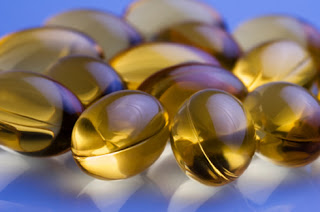 Last week I posted my brand comparison of cod liver oil (CLO). In this comparison I listed three dozen types of liquid and softgel cod liver oils, and compared the cost per serving of each of them. I compared the cost of CLO to the more superior fermented cod liver oil (FCLO) and concluded the liquid FCLO is less expensive than all but two of the liquid brands. We also discovered there are brands of CLO with 0 IU’s of Vitamin D.
However, as I mentioned, quality was not taken into account in my cost analysis. Who uses synthetic vitamins? Natural? Which brands contain soy?
This post addresses which brands contain soy. But first, let’s take a quick peek into why we don’t want soy in our CLO.
Reasons to Avoid Soy
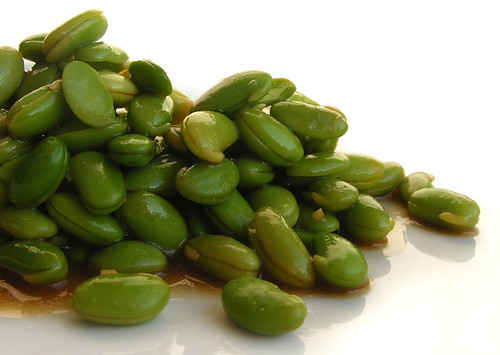
Soybean oil is the main active ingredient used in Bayer’s “natural” pesticide - and we want to consume this?
Soy is genetically modified - we want to avoid GMO’s!
Soy is processed in a way that increases levels of carcinigens,and cause thyroid problems - read more: Soy Danger’s Summarized
 The Whole Soy Story - by Kaayla T. Daniel
Endorsed by Mary G. Enig (author of Eat Fat, Loose Fat) as providing “the most comprehensive review/evaluation of the soy story ever to exist. This is a must read for the intelligent and concerned consumer of food for themselves and especially for their children and grandchildren.”
Read more about The Whole Soy Story. 50% off until November 3rd. Nearly 500 pages in this hardcover book. Continue reading
 How much do you need?
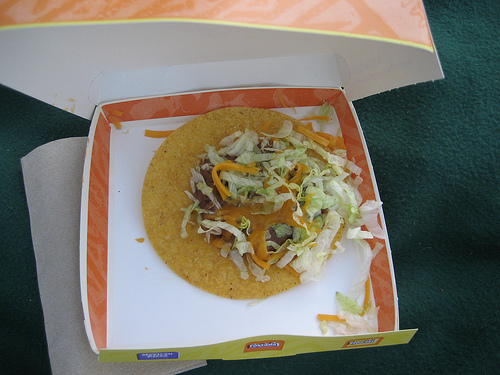 The word spread like wildfire across the internet: An Alabama law firm had filed a class action lawsuit against Taco Bell in California, saying its meat fails to meet the definition of beef set forth by the U.S. government (and even that’s a pretty low hurdle, if you ask me). The lawsuit claims Taco Bell’s meat cannot be honestly advertised as “beef” because it claims tests showed the meat was only 35% beef, not the 70% beef required by federal standards.
 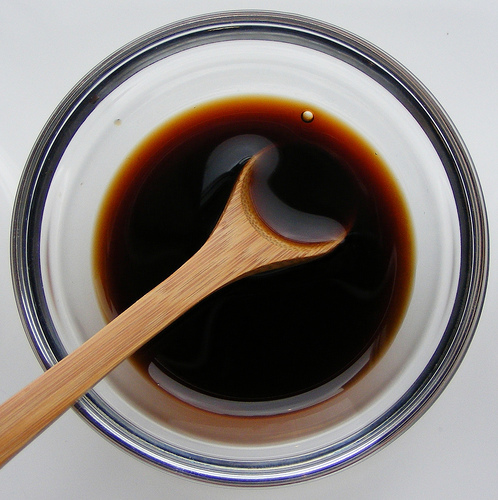 6. Bottled Sauces—Just gotta have your Thai, Teriyaki, or Jamaican Jerk sauce? Well, most bottled sauces contain MSG.
 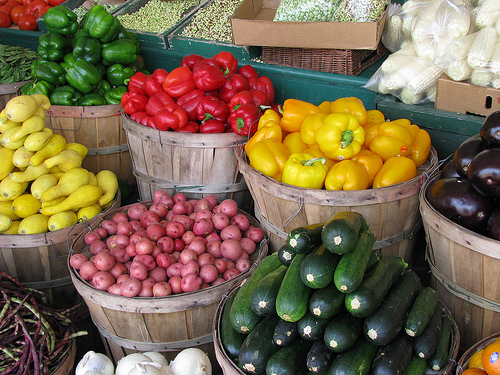 1.) Buy Locally Produced Food
 Here we dispel the myths of the “Diet Dictocrats” and reveal the scientific validity behind our wise ancestors’ nutrient-dense diets.