
 I thought I’d kill two birds with one stone by combining days four through six into one post as I am behind keeping you updated, and these three days were largely unchanged from each other.
We are in the active “gaseous” stage of the ferment (stage one) where CO2 can’t be missed and Leuconostoc mesenteroides is the prime bacteria in action. Once this stage begins (around day three or so) it lasts three days. So this gaseous stage will end approximately a week after packing your jars.
Everything is testing fairly consistent from jar to jar.
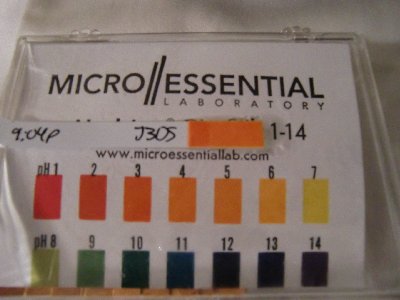
The pH’s dropped to a four on day 4 and have remained a four all three days. Here is one of the pH readings (they are all the same):
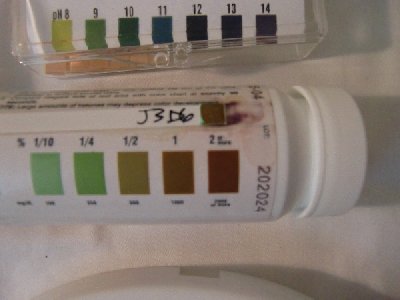
Glucose is dropping down to around 1500 mgs of glucose per deciliter (dL). Here is one of the glucose readings, although they were all essentially the same:
The cabbage is decidedly yellow in all jars by day 6.
The Jars & Brine Samples (Days 4, 5, and 6)
I will show you a photo for each day (day 4, day 5, and day 6) per jar. They are essentially the same, though  To save space, I’m presenting days 4 and 5 smaller, and just day 6 larger, but they are all clickable to regular size.
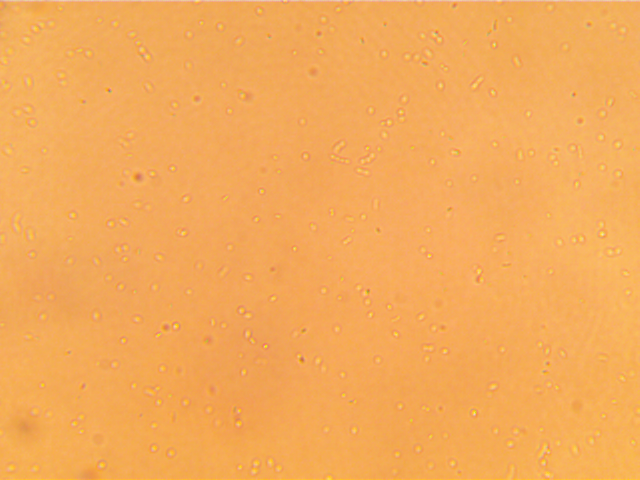
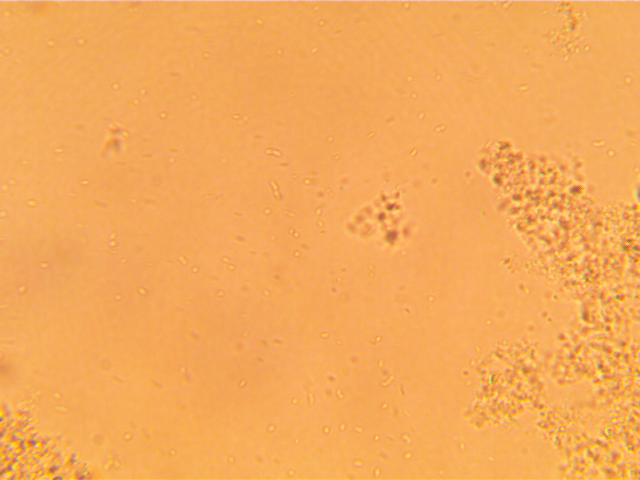
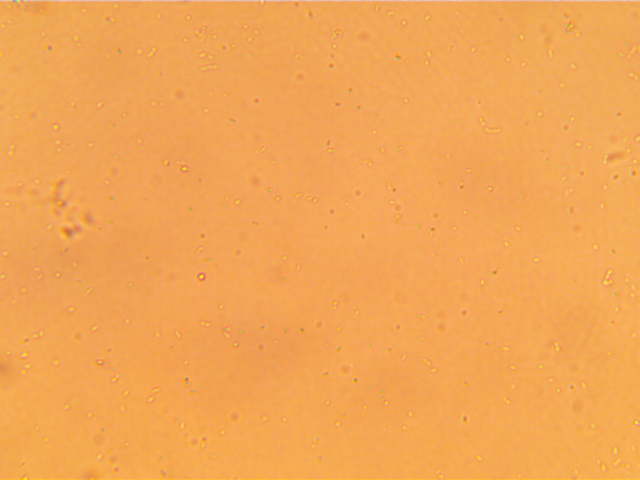
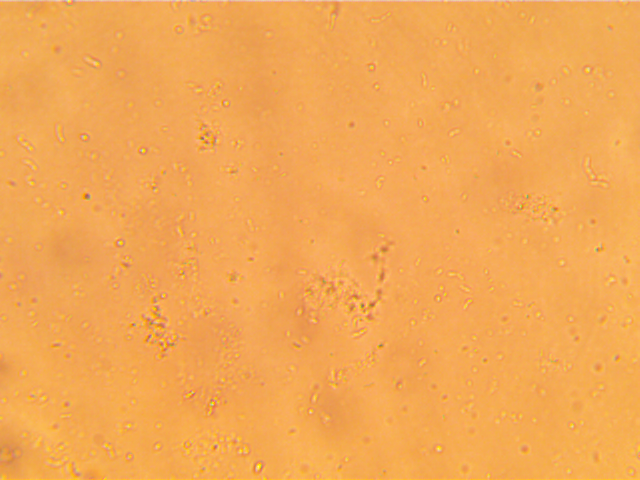
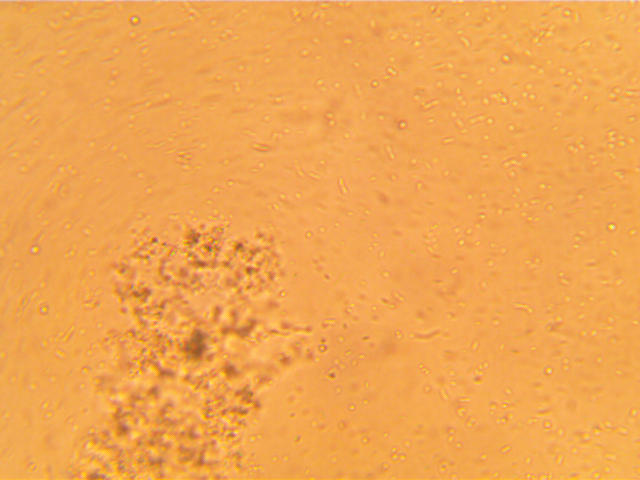
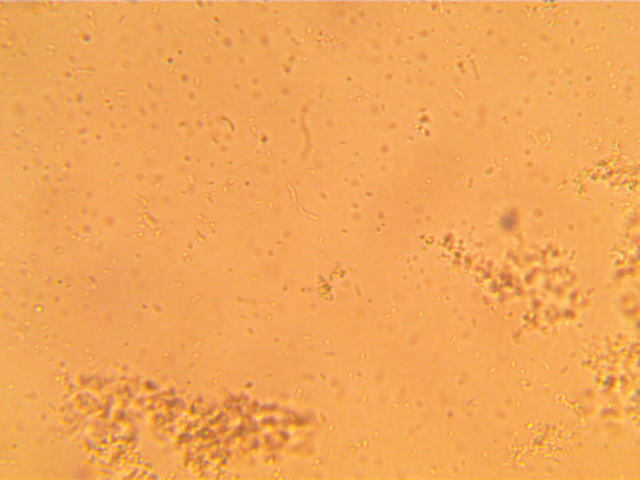
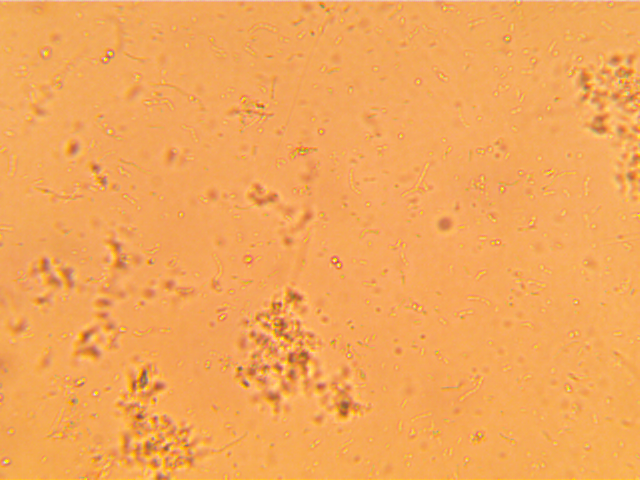
I’m also including a brine sample taken with the camera on my AmScope microscope. I didn’t realize the MP on the camera that came with the scope was so low, so it doesn’t show you the detail I can see with my eye through the lens. It has since been swapped for a 3MP. Next photos will be better, promise
Leuconostoc mesenteroides are the primary bacteria in action during this time. They begin life round then morph into sectioned rods - much like how sausages appear when strung together. Depending on the focus in the photos, you may not see the sections well - they could appear rod-like.
Jar 1 (Cheesecloth), Day 4, 5, and 6
(click for larger photos)
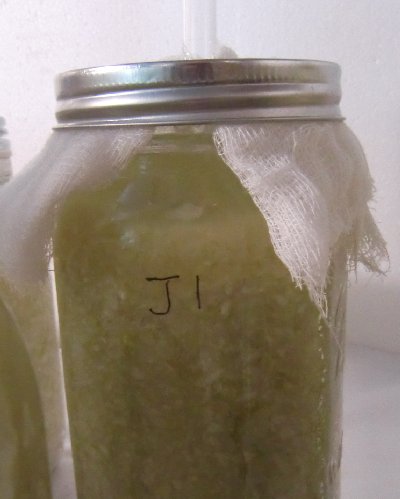
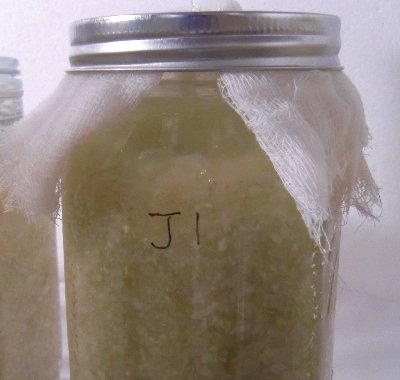
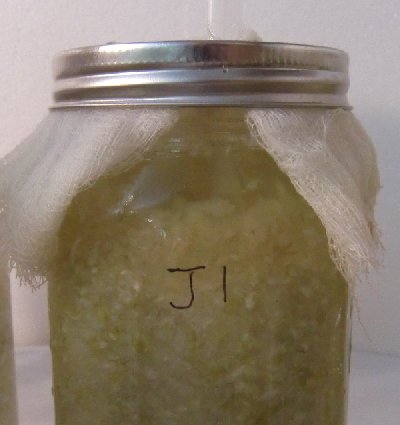
LABs are immature and not very populated yet. The third photo is looking through a cabbage particle - I thought the design was neat
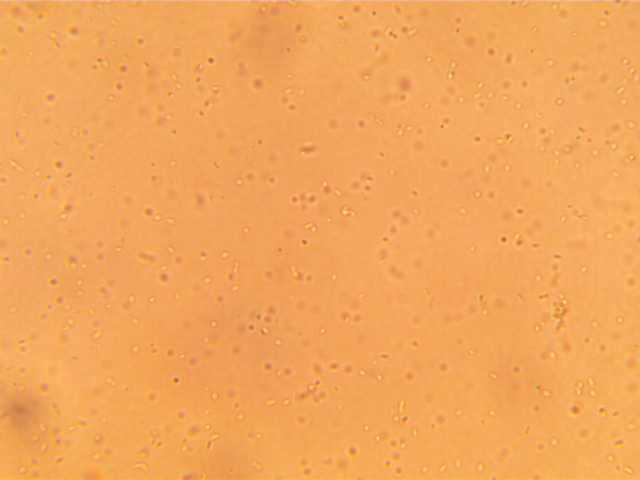
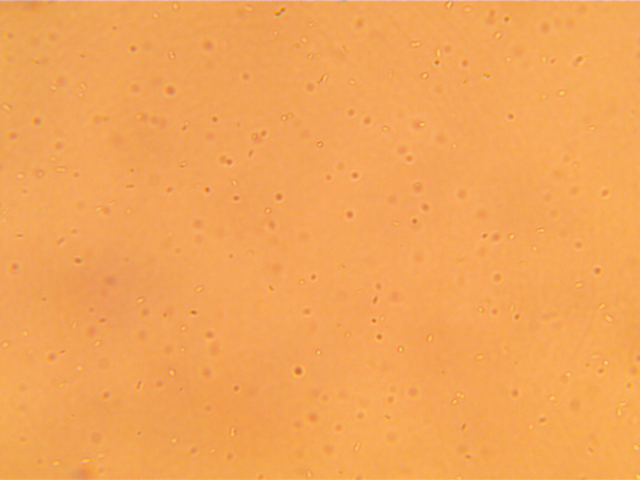
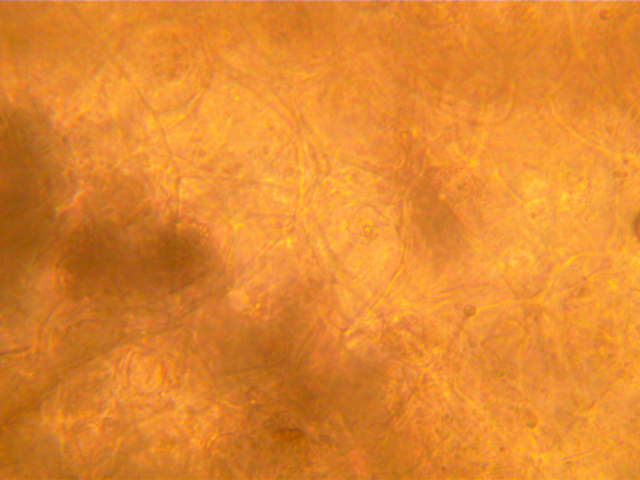
Jar 2 (Olive Oil), Day 4, 5, and 6
(click for larger photos)
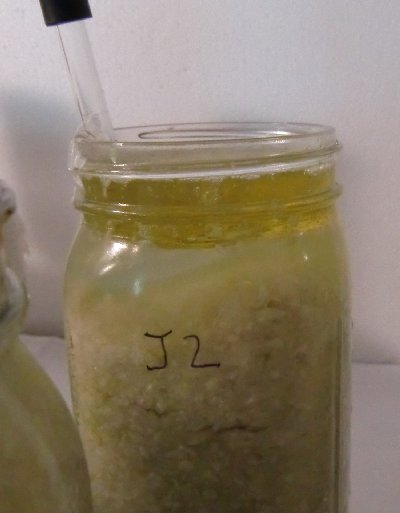
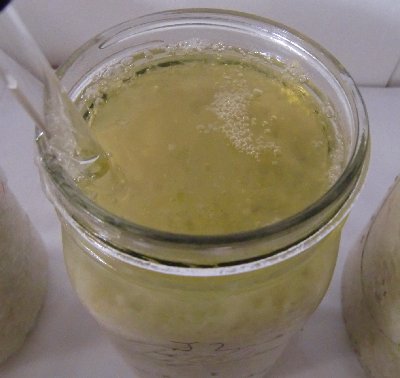
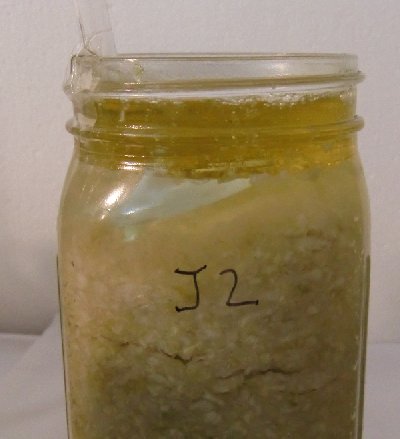 LABs are sparse, although you can catch some long guys in this photo that also shows a cabbage particle.
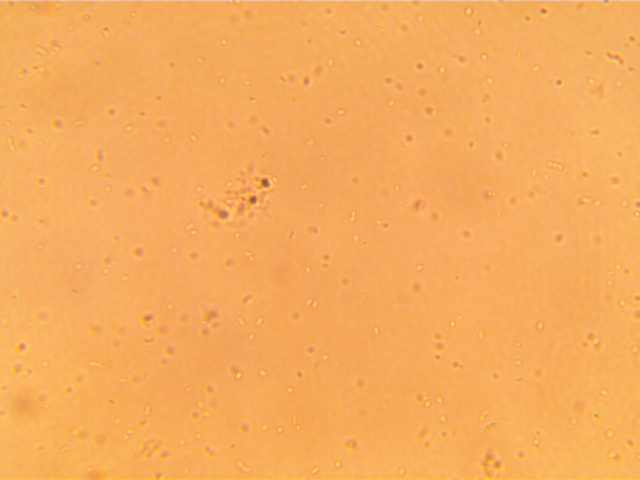
Jar 3 (Water Baggy), Day 4, 5, and 6
(click for larger photos)
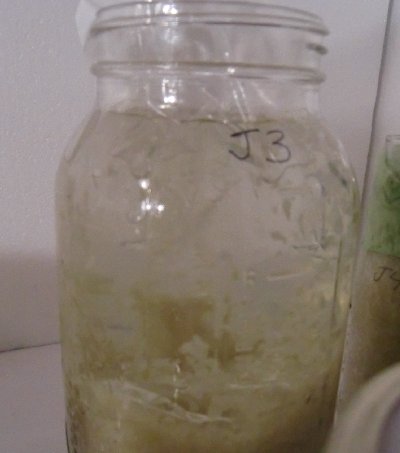
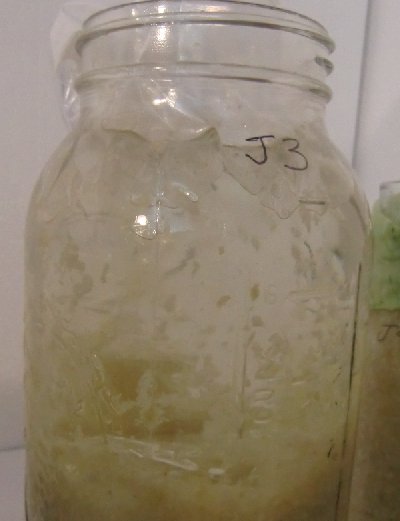
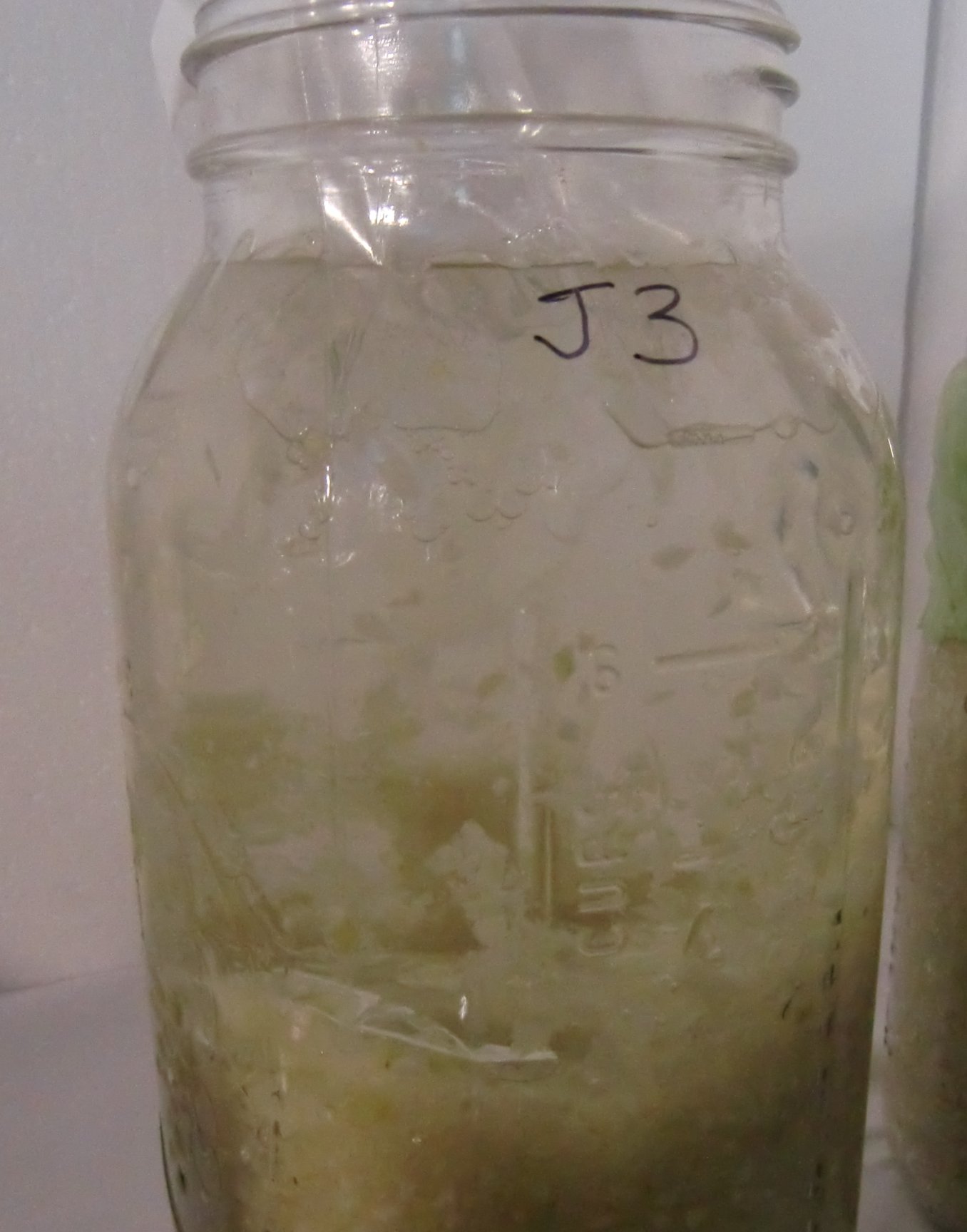
LABs are showing a decent face here population-wise, but are mostly the stage one Leuconostoc mesenteroides.
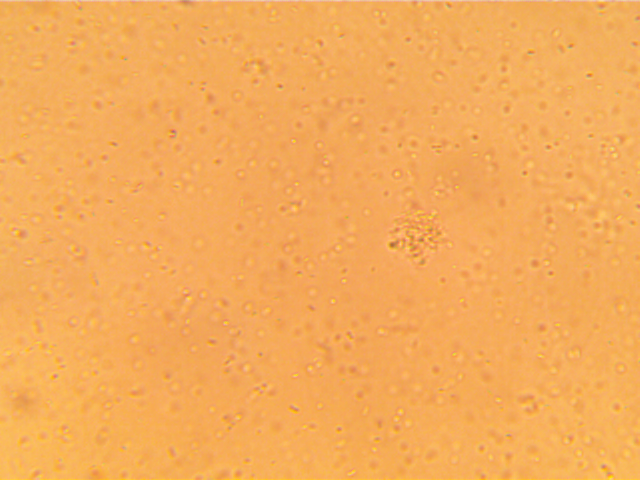
Jar 4 (Cabbage Leaf held down by small jar), Day 4, 5, and 6
The cabbage leaf is starting to wilt and has signs of decay…
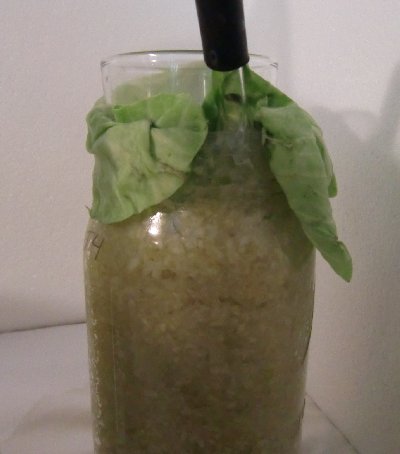
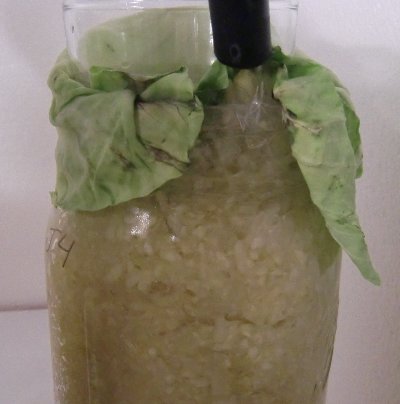
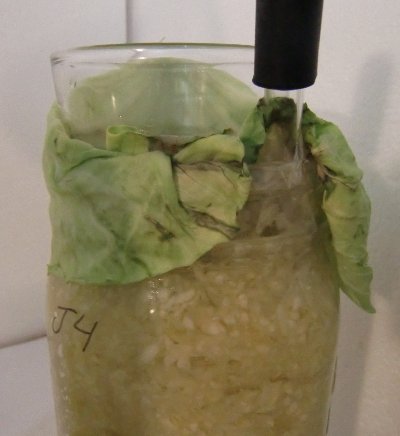 LABs you see are Leuconostoc mesenteroides (small round or linked rods).
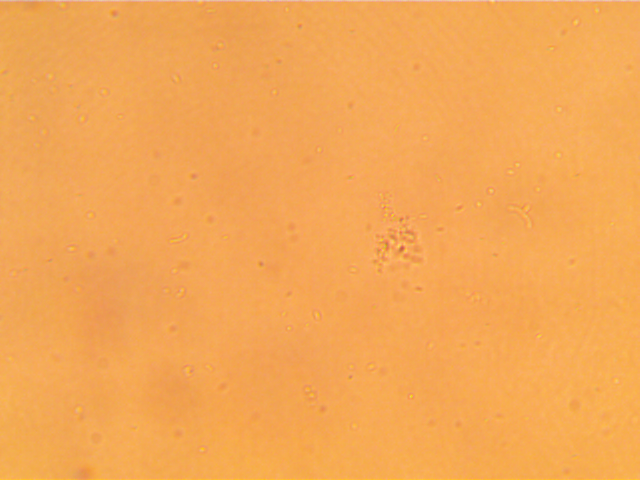
Jar 5 (Cabbage Leaf, Shot Glass, White Lid), Day 4, 5, and 6
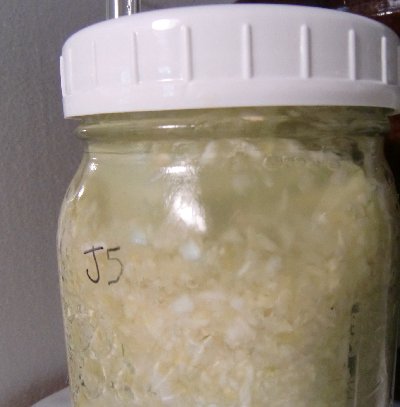
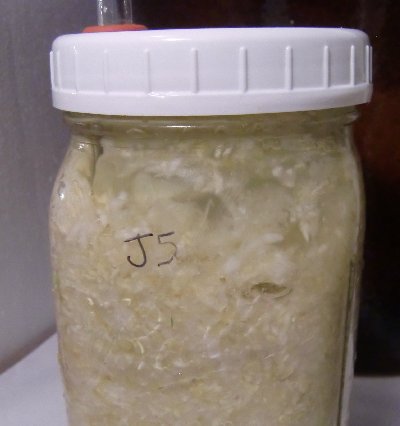
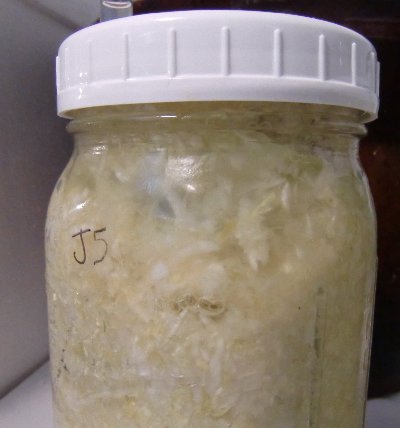 LABs are not very populated, but you can spot Leuconostoc mesenteroides.
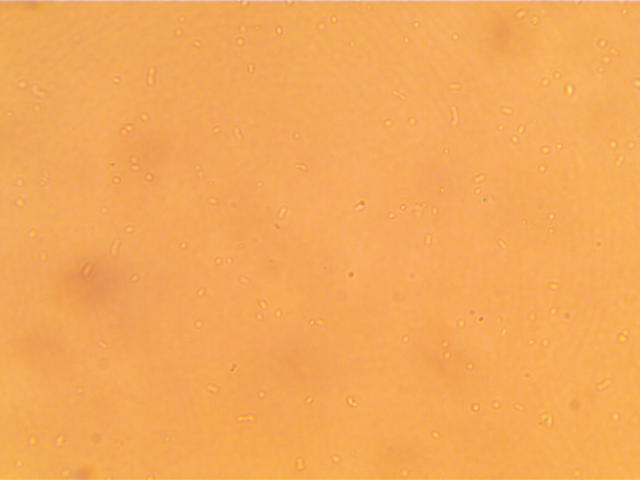
Jar 7 (White Lid with Baggy), Day 4, 5, and 6
You can clearly see the glass weight in here isn’t doing a very good job.
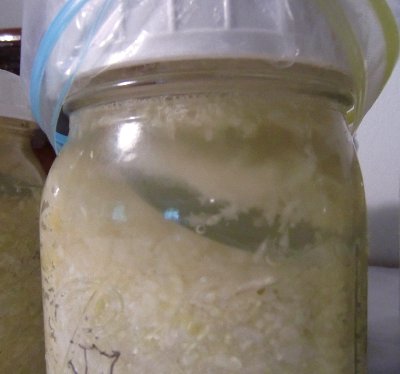
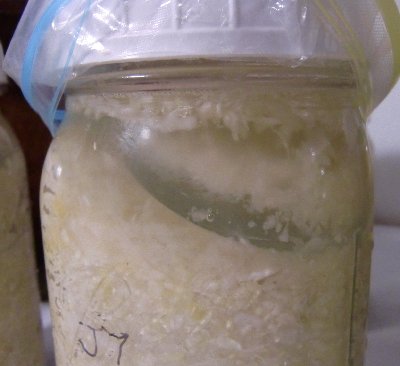
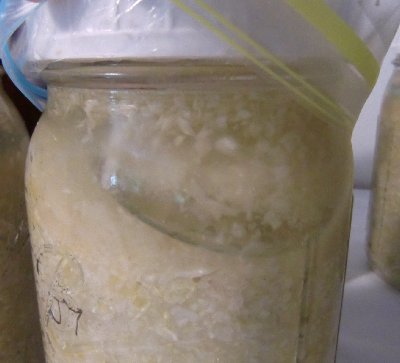 LABs are mostly stage one bacteria, Leuconostoc mesenteroides.
Jar 8 (White Lid with Airlock), Day 4, 5, and 6
I somehow neglected to get a photo for day 4 (??) but here it is for 5 and 6.
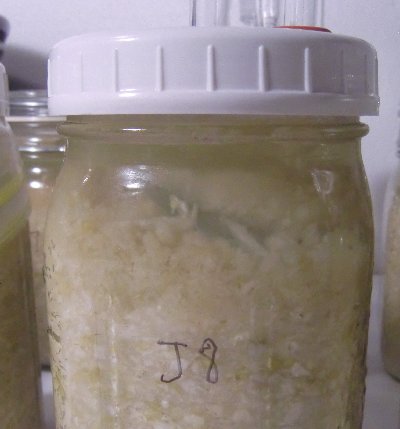
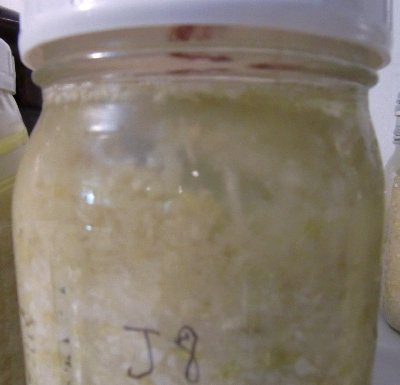 LABs are mostly stage one bacteria, Leuconostoc mesenteroides.
Jar 9 (Metal Lid), Day 4, 5, and 6
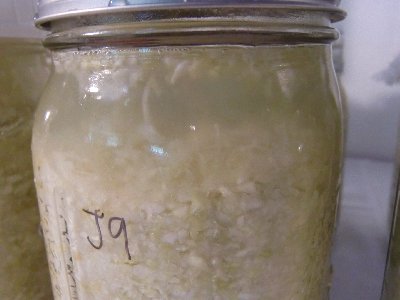
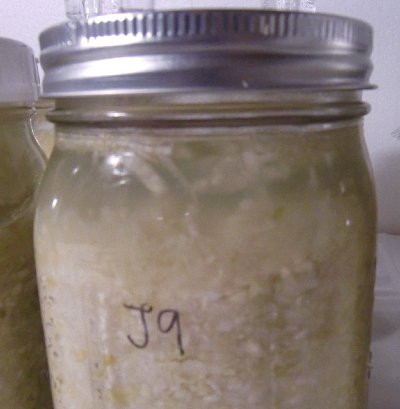
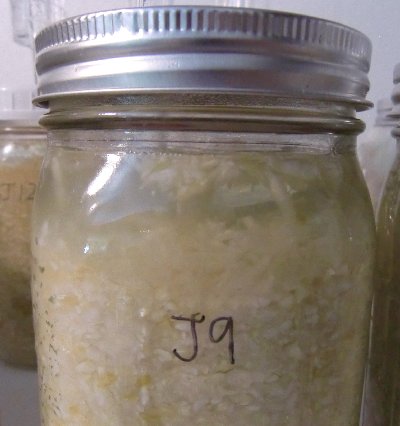 LABs are mostly stage one bacteria, Leuconostoc mesenteroides, although they are growing.
Jar 10 (Metal Lid with Airlock), Day 4, 5, and 6
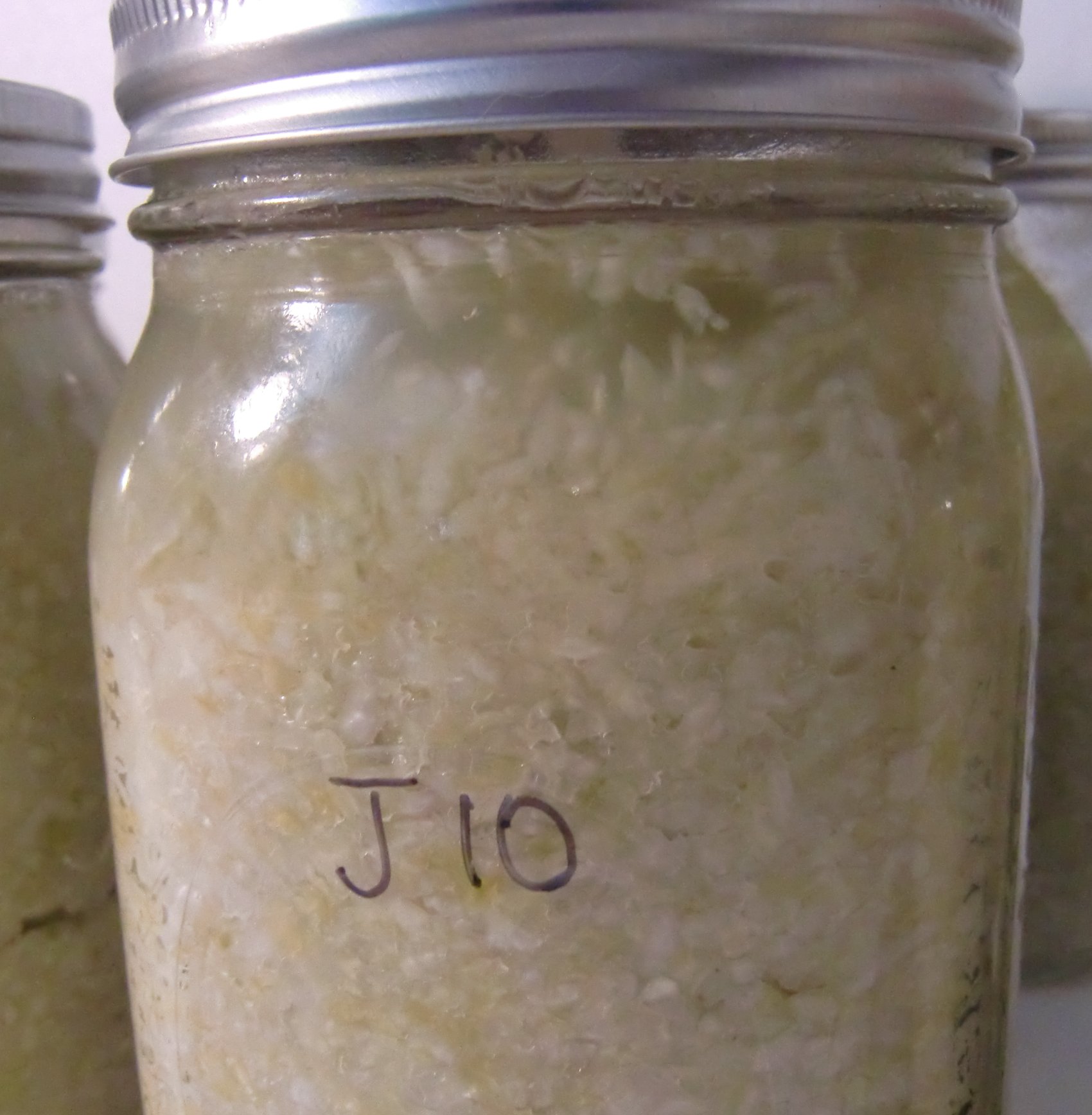
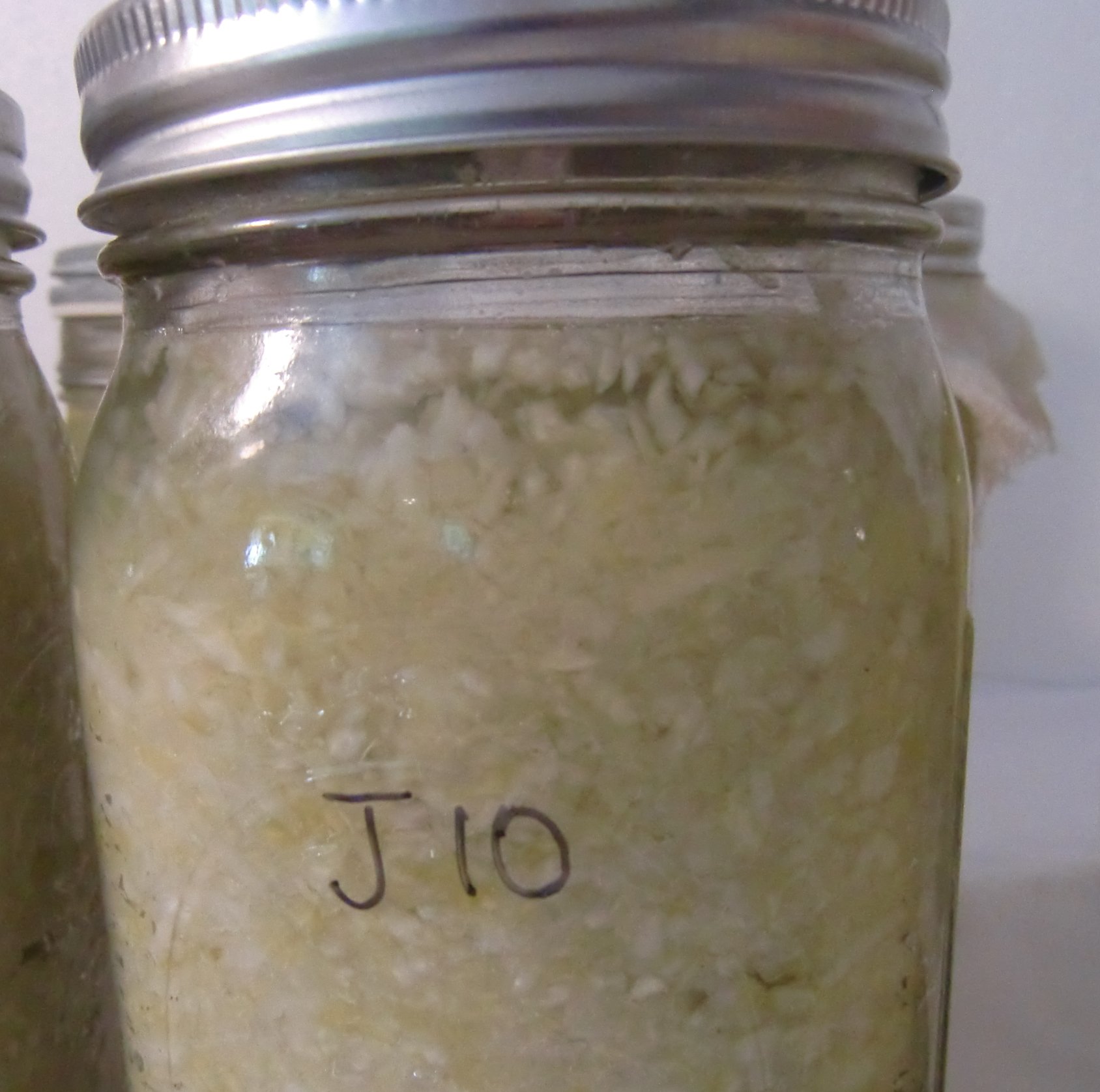
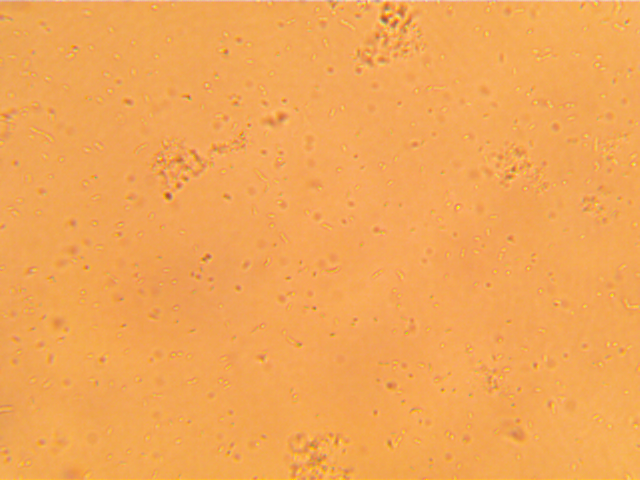
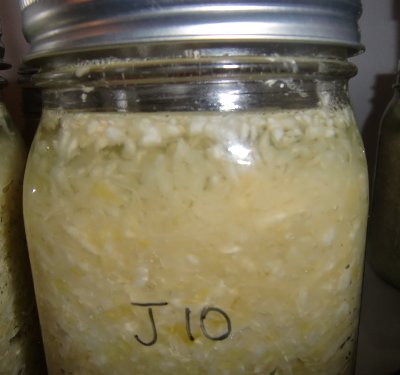 Lots of activity going on here. Leuconostoc mesenteroides make a decent showing.
Jar 11 (Cork with Airlock), Day 4, 5, and 6
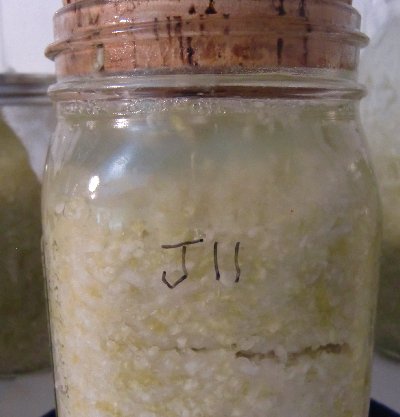
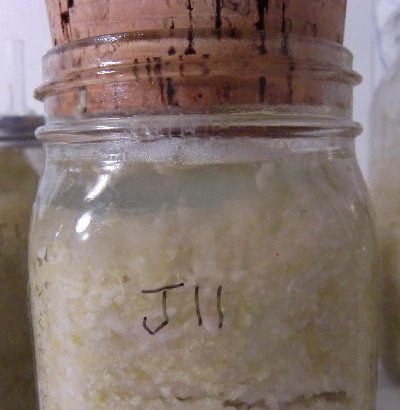
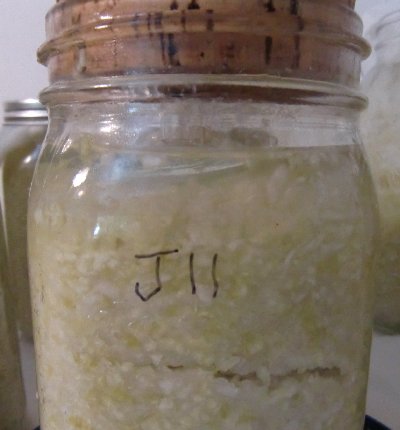 Both Leuconostoc mesenteroides are mostly in sectionated rods, so they are maturing.
Jar 12 (Lacto-fermentation Air-Lock System generously donated by Cooking God’s Way), Day 4, 5, and 6
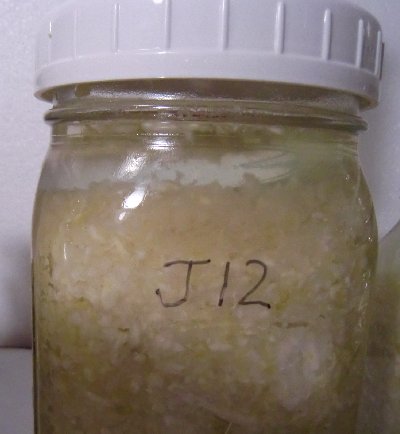
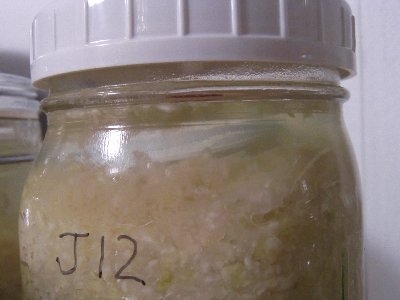
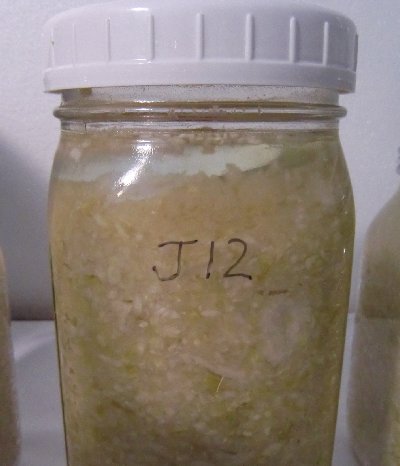 Leuconostoc mesenteroides is nice and mature.
Jar 13 (Pickle Pro generously donated by Homesteader’s Supply), Day 4, 5, and 6
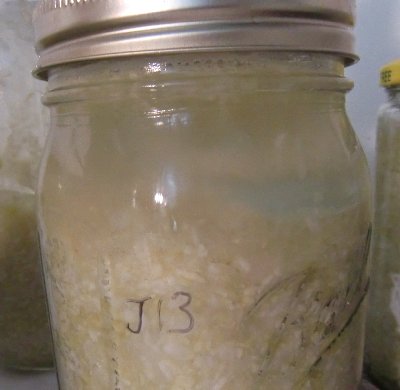
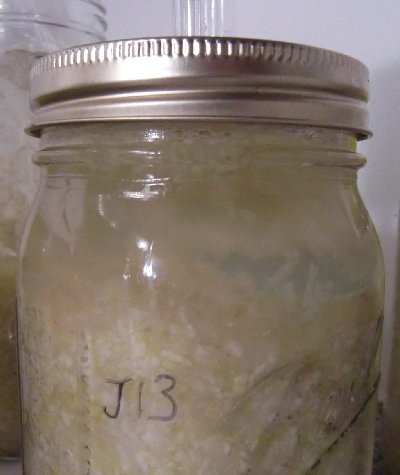
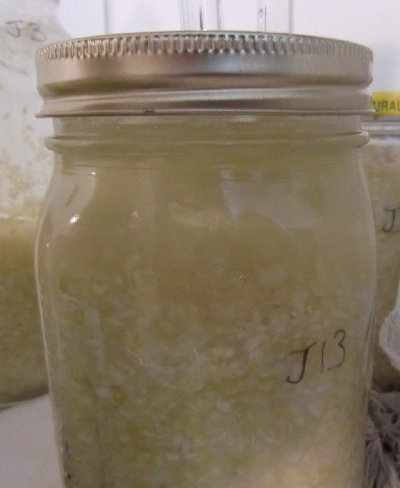
Check out how fast these Leuconostoc mesenteroides are moving! I can’t wait to get a chance to upload my video captures to YouTube. They are fun to watch. But this photo should give you an idea, due to the swirly blurs.
Jar 14 (Pickl-It purchased through the generosity of GNOWFGLINS), Day 4, 5, and 6
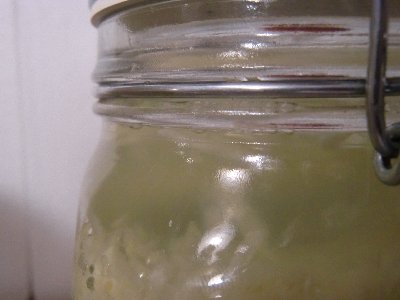
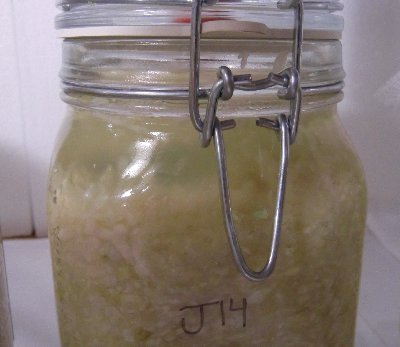
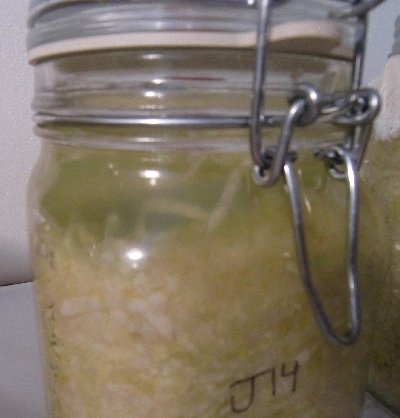
No brine samples were taken during this time. Check out my next post on Day 7 when I took the next sample.
Jar 15 (Harsch purchased by the generous donations largely from Homesteader’s Supply along with with GAPS Diet Journey, Hybrid Rasta Mama, and Dishrag Diaries), Day 4, 5, and 6
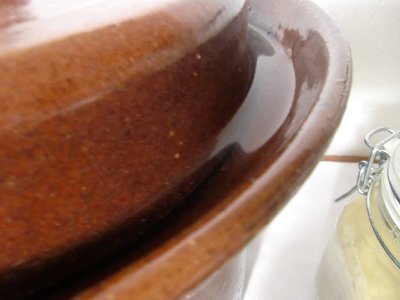
No brine samples will be taken until end of ferment.
Jar 16 (Bucket), Day 4, 5, and 6
Browning noticeable. I wonder how long this bucket will last.
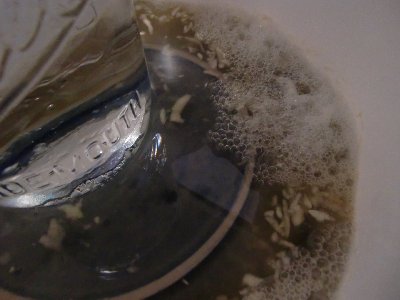
Lots of Leuconostoc mesenteroides and cabbage particles.
Jar 17 (Fido), Day 4, 5, and 6
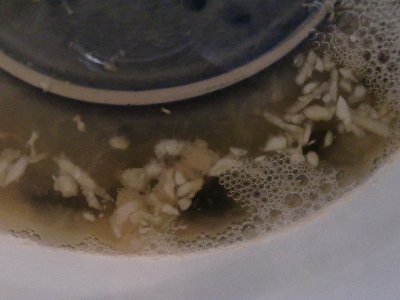
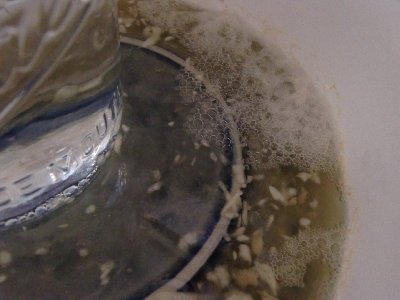
Fido’s gasket a.k.a “built-in airlock” is doing its job well as you can see by the foam escaping below…
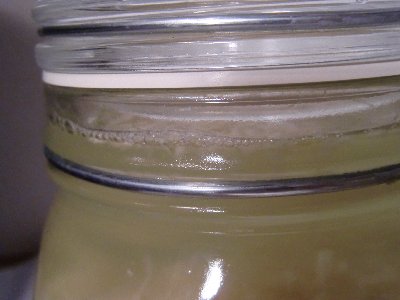
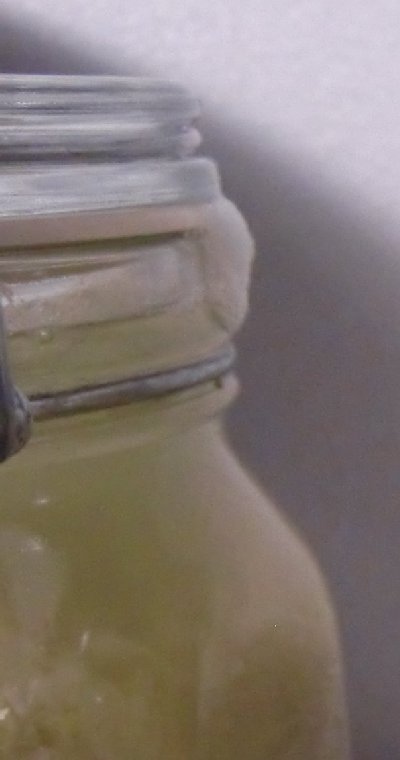
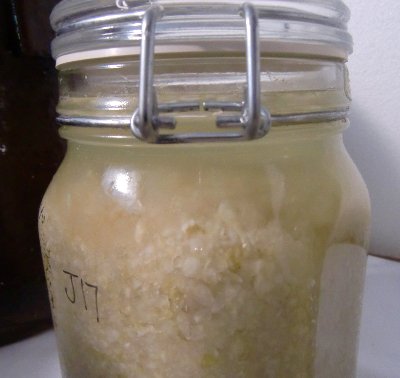 No brine samples will be taken until end of ferment.
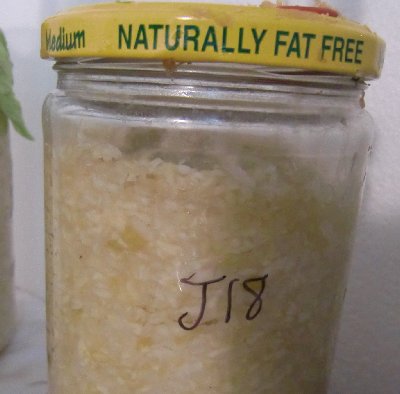
Jar 18 (Salsa Jar), Day 4, 5, and 6
Due to the tight seal, the pressure was so high the only place for it to be relieved was through the glass test port, sending most of the brine with it. Now that there’s no brine covering the cabbage, it’s only a matter of time before it molds 
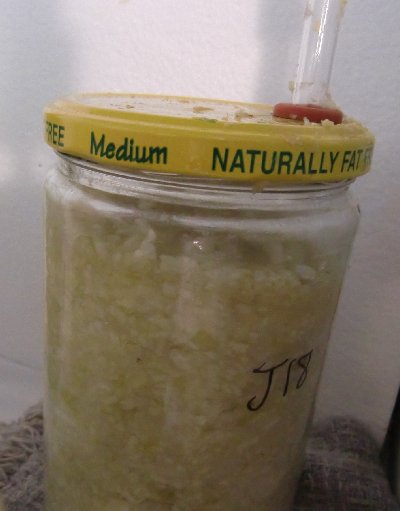
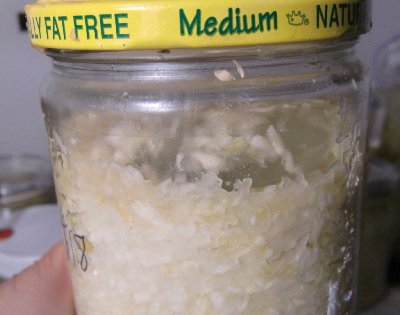
I had to push into the cabbage for a bring sample, which is why you’re seeing all the cabbage particles and high LAB activity.
THANK YOU!
Many of the supplies (including the cabbage) purchased for testing were mostly covered by the donations from Loving Our Guts, Pickle Me Too, Easy Natural Food, Common Sense Homesteading, Lisa M., Traditional Foods, Grocery Geek, Rachel C., The Urban Hearth, Hybrid Rasta Mama, Sarah M, Miriam R., and Leslie C. THANK YOU!
The Lacto-fermentation Air-Lock System was generously donated by the manufacturer, Cooking God’s Way.
The Pickle Pro was generously donated by the manufacturer, Homesteader’s Supply.
The Pickl-It was purchased through the generosity of GNOWFGLINS.
The Harsch crock was purchased by the generous donations largely from Homesteader’s Supply along with with GAPS Diet Journey, Hybrid Rasta Mama, and Dishrag Diaries.
If you would like to contribute funds to this experiment, I would be ever grateful. Please send PayPal funds to: [email protected]. If you have a blog I would be happy to link to it as a contributor. Thank you!
Similar Posts:

proud contributor |
| Lea Harris founded Nourishing Treasures in 2006. A mom passionate about her family's health and well-being, Lea believes education is power. Encouraging others to take baby steps in the right direction of health for their families, Lea's goal is to raise awareness of what goes into our mouths and on our bodies, providing natural alternative information that promotes health and prevents disease by using traditional foods and nature's medicine.
Lea is a Certified Health Coach graduate from Beyond Organic University, and a Certified Aromatherapist graduate from Aromahead Institute. "Like" Nourishing Treasures on Facebook, join the Nourishing Treasures Group on Facebook, follow @NourishTreasure on Twitter, and subscribe to our newsletter. You can also find me on Learning About Essential Oils forum, and Fido Fermentation Facebook group. Disclaimer: I use affiliate links wherever possible. So if you click on a link, and make a purchase, I might make a small commission, but it doesn't cost you any more. |
Yay! Proof that the Fido shouldn’t explode
I finally got some Fido’s for my water kefir (which has way more CO2 than sauerkraut). I have used various sizes in first and second ferments with NO burping and no explosions. Fido’s do not explode
Following along with enthusiasm! Thanks so much for running this experiment. After all the Pickl-it fuss I had quit fermenting altogether, not sure what was best/safest.
Thank you for your interest and enthusiasm!
I hope my little experiment will encourage you to give it another try.