How to Eat Organs Without Flinching

Raise your hand if you can eat organs without flinching. I’m talking a heart on a plate. Could you do it?

I didn’t think so.

Traditional food cultures included not just your typical animal food sources (meat, milk, eggs), but organs as well.They knew what scientists are now able to prove: organs are full of concentrated amounts of vitamins and minerals and are the most nutrient-dense foods available.

Dr. Weston A. Price discovered that natives ate fresh organs full of vitamins A and D to keep them healthy, fertile, and able to maintain pregnancies with rarely a miscarriage or stillbirth. Continue reading
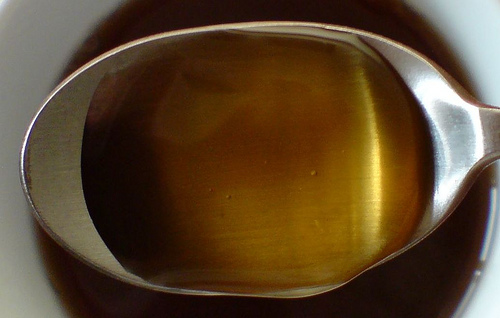
Cod Liver Oil – Brand Comparison Guide and Cost Analysis

I think most of us have figured out by now making a daily habit of consuming cod liver oil (CLO) is beneficial to our health, particularly now that cold and flu season is around the corner (Read: Benefits of Vitamin D - Why it’s essential to health + the best food sources). I have recently been doing some brand and price comparisons and wanted to share what I found with you.

How much do you need?

Is Vitamin D to Vitamin A ratio important?

Is FCLO really more expensive than CLO?

Which brand requires you to take 25 of their softgels to make the 1,000 IU Vitamin D requirement, thus costing you $3/serving?

Which cod liver oil brand provides “0″ IU’s of Vitamin D (and WHY would you want to bother)?

Keep reading… Continue reading

Feeding the Young (comic)

http://www.newstarget.com/021731.html

Commentary by Mike Adams, the creator of this cartoon:

Humans are the only species on the planet who actually go out of their way to feed their children crap. All other animals instinctly seek out the best nutrition they can find. Birds find grubs, worms and insects to feed their young, honeybees painstakingly collect pollen and create a nutrient-rich superfood that gives rise to a living queen bee, and even dogs, cats and cows try to find the most nutrient-rich foods to offer their offspring.

But humans? Most of them “reward” their children with junk food, sugary sodas, candy laced with petrochemical coloring additives and refined sugars that promote obesity and diabetes. Most parents don’t even make any real effort to follow nutritional discipline at home — they simply buy whatever their children saw advertised on television, caving in to the all-powerful “nag factor” that junk food companies fully exploit when marketing to children. Continue reading