
Seven+ Superfoods, Part 6: Goji (Wolfberry)
This is Part 6 in a series of Seven+ Superfoods. Previously, we have learned about Gac, Fucoidan, Mangosteen, Acai and Sea Buckthorn.
This post is dedicated to Goji (pronounced GOO-chee), sometimes called “Wolfberry,” also known as “Himalayan Mountains Berry of Life” as well as “Nature’s Most Complete Food for Eye Health.” Its Latin name is Lycium Barbarum.
Yes, that is a mouthful, but keep reading and you’ll know why…
Why is Goji a Superfood?
Wow, are you ready? Trying to keep this in manageable “bites,” but golly, there is just so much to share! 
Goji contains 500X more Vitamin C than oranges, making it a powerful antioxidant powerhouse. These antioxidants enhance the immune system, restore and repair damaged DNA, and prevent free radical damage.
The richest source of carotenoids, Goji contains more beta carotene than any food source on earth. The Vitamin A converted by the body from beta carotene makes Goji is valuable to vision and overall eye health. The fatty-sheathed retina makes a wonderful home for beta carotene, which seeks out fatty layers in which to make a home.
Also aiding eye health, a type of antioxidant called phenolics are richly concentrated in Goji berries at 1309 mg per 100 grams. Raspberries, usually touted for phenolic content only contains 85 mg per 100.
More eye-health heavy-hitters are zinc, zeaxanthin and lutien. Zinc prevents macular degeneration, which zeaxanthin and lutein are absorbed from the blood by the retina. The retina deposits zeaxanthin and lutein in the macula lutea area of the eye, providing a light-absorbing filter against intense sunlight. Goji is one of the richest sources of zeaxanthin with 162 mg per 100 grams of Goji berries. Continue reading

 When somebody drinks a Coke watch what happens…
 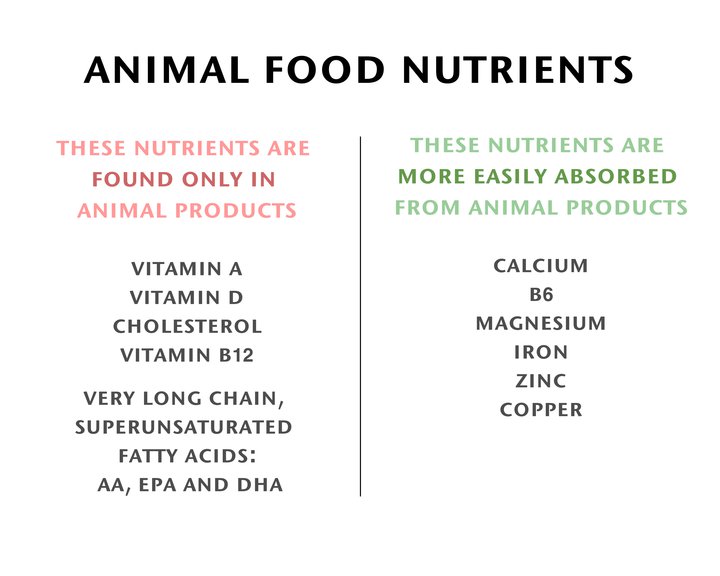 There are certain nutrients that are found only in animal products; first and foremost, vitamins A and D, found only in animal fats.