 I love summer. My kids love to play outside, and I can sit in the sun with my laptop and soak up the Vitamin D. It’s so comforting to have the sun on my skin, knowing not only does it feel good on the surface of the skin, but the Vitamin D that is being produced is doing the inside of my body good, too.
Then autumn rolls around, and winter, and I am worried that my family isn’t getting enough Vitamin D. We switch from fish oil - which has omega-3′s, but not Vitamin D - to cod liver oil which does contain Vitamin D. Since regular cod liver oil contains low amounts of Vitamin D (as opposed to fermented which is a more concentrated form and contains lots more Vitamin D) it’s essential I add food sources of Vitamin D to our diet.
Vitamin D - Immune System Booster
So why am I so careful to add Vitamin D to our diet? My biggest personal reason is because it’s vital for a healthy immune system.
I am sure you’ve noticed that colds and the flu is more prevalent during the winter months when we are covered up more due to the cold (at least here in New England!). Our skin isn’t exposed to as much sunlight.
Find out what else Vitamin D is also needed for, learn about Vitamin D deficiency, what the best food sources of Vitamin D are, what interferes with Vitamin D absorption, and what enhances Vitamin D absorption… Continue reading →

 Raise your hand if you can eat organs without flinching. I’m talking a heart on a plate. Could you do it?
 How much do you need?
 (NaturalNews) A major British cancer organization is preparing a new position statement on sun exposure that may acknowledge vitamin D deficiency as an effect of sun avoidance.
 Contrary to popular belief, exposing skin to the sun may stop certain cancers from growing, including skin cancer.
 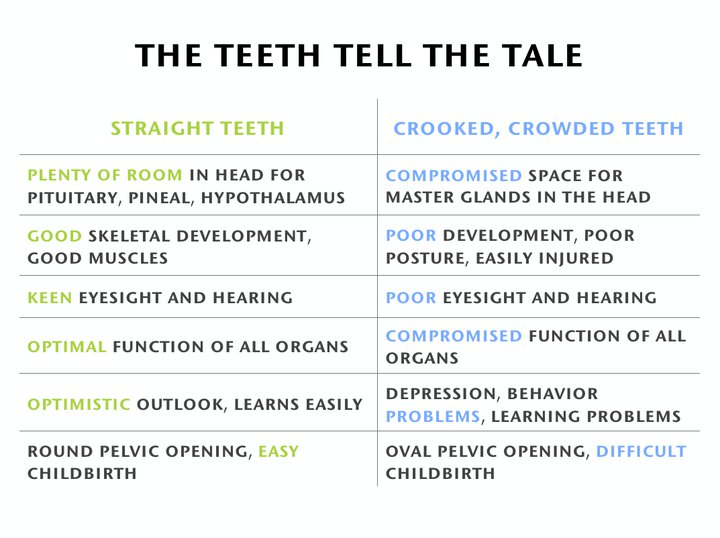 When the teeth are straight, it is a good sign that the rest of the body was properly constructed; when the teeth are crooked, it is a good sign that there will be compromises in the rest of the body as well.
  Studies show that least one-third of Americans are wholly deficient in Vitamin D. We all need to maintain adequate levels of Vitamin D year-round, not just during flu season. The government has an important role to play in getting this message out, but says nothing at all.