
Seven+ Superfoods, Part 7: Noni

This is Part 7 in a series of Seven+ Superfoods. Previously, we have learned about Gac, Fucoidan, Mangosteen, Acai, Sea Buckthorn, and Goji.

This post is dedicated to Noni (pronounced No-nee), also known as “Polynesian Miracle Fruit.” Its Latin name is Morinda Citrifolia.

Why is Noni a Superfood?

Noni stimulates pineal gland cells, helping with neurological problems, as well as mimics the secretion of two hormones in the pineal gland: serotonin and melatonin. When one gets calcification on their pineal gland, these two hormones are disrupted. If you suffer from depression or insomnia, Noni is your superfood :)

Noni causes the macula generate more pigment, causing cells to return to normal, and potentially reversing blindness.

Noni reaches the substantia nigra, found in the mid-brain, reversing Multiple Sclerosis and Parkinson’s. Continue reading
Seven+ Superfoods, Part 6: Goji (Wolfberry)

This is Part 6 in a series of Seven+ Superfoods. Previously, we have learned about Gac, Fucoidan, Mangosteen, Acai and Sea Buckthorn.

This post is dedicated to Goji (pronounced GOO-chee), sometimes called “Wolfberry,” also known as “Himalayan Mountains Berry of Life” as well as “Nature’s Most Complete Food for Eye Health.” Its Latin name is Lycium Barbarum.

Yes, that is a mouthful, but keep reading and you’ll know why…

Why is Goji a Superfood?

Wow, are you ready? Trying to keep this in manageable “bites,” but golly, there is just so much to share! :)

Goji contains 500X more Vitamin C than oranges, making it a powerful antioxidant powerhouse. These antioxidants enhance the immune system, restore and repair damaged DNA, and prevent free radical damage.

The richest source of carotenoids, Goji contains more beta carotene than any food source on earth. The Vitamin A converted by the body from beta carotene makes Goji is valuable to vision and overall eye health. The fatty-sheathed retina makes a wonderful home for beta carotene, which seeks out fatty layers in which to make a home.

Also aiding eye health, a type of antioxidant called phenolics are richly concentrated in Goji berries at 1309 mg per 100 grams. Raspberries, usually touted for phenolic content only contains 85 mg per 100.

More eye-health heavy-hitters are zinc, zeaxanthin and lutien. Zinc prevents macular degeneration, which zeaxanthin and lutein are absorbed from the blood by the retina. The retina deposits zeaxanthin and lutein in the macula lutea area of the eye, providing a light-absorbing filter against intense sunlight. Goji is one of the richest sources of zeaxanthin with 162 mg per 100 grams of Goji berries. Continue reading

Seven+ Superfoods, Part 5: Sea Buckthorn

This is Part 5 in a series of Seven+ Superfoods. Previously, we have learned about Gac, Fucoidan, Mangosteen, and Acai

This post is dedicated to Seabuckthorn, also known as “Potent Golden Berry From The Mountains of China and Russia” or Hippophae L.

Why is Seabuckthorn a Superfood?

Well I don’t know about you, but berries which contain 190 varieties of health-promoting bioactive substances earns the title “superfood” in my book. 106 of these substances are found in the oil of the berry and include 6 different fat-soluble vitamins, 22 fatty acids, 42 kinds of lipids, and 36 kinds of flavonoids and phenols.

Seabuckthorn contains more Vitamin A than any other food in the plant kingdom.

Seabuckthorn has 15X the Vitamin C as an orange - more than any other food, as well as high amounts of Vitamins E and K and a wonderful balance of omega 3, 6, 7 and 8.

Used by natives for centuries for mucous membrane issues that are now backed by science, Seabuckthorn is helpful in healing and repairing:

  • esophagitis
  • Barrett’s esophagus
  • acid reflux/GERD
  • peptic ulcers
  • gastritis
  • ulcerative colitis
  • Crohn’s disease
  • mouth ulcers and sores
  • sore throat and strep throat
  • diverticulosis and diverticulitis

Seabuckthorn oil is great when used topically for dermatitis, eczema, acne and sunburns

Seabuckthorn’s best whole-body health features are that it is anti-inflammatory, anti-microbial, analgesic, and regenerative, as well as anti-allergic, and full of antioxidants. Continue reading

Seven+ Superfoods, Part 3: Mangosteen

This is Part 3 in a series of Seven+ Superfoods. This post is dedicated to Mangosteen, also known as “Queen of Fruits” or Garcinia Mangostana.

Why is Mangosteen a Superfood?

Where to begin?

The most powerful healing properties of Mangosteen lie in the pericap (rind) of the fruit where it is sopping rich in xanthones - nature’s super antioxidant’s.

Mangosteen has the most xanthones of any other food - in fact more than 40 types of xanthones have been discovered in the pericap alone.

Why are xanthones so highly valued? These polyphenolic compounds provide the following:

  • beneficial healing in the areas of cardiovasular disease, ischemic heart disease, atherosclerosis, hypertension, thrombosis
  • is antibiotic, anti-viral, antitumoral, anti-allergic, anti-inflammatory
  • highest antioxidants anywhere in nature, swiftly healing free-radical damage
  • slows aging, wards off degenerative diseases, and prevents physical and mental deteriorization
  • treats infection, reduces pain, controls fever
  • vascorelaxant properties helps to dilate blood vessels and increase blood flow

As there is currently no known medical cure for glaucoma, those suffering with symptoms will be happy to hear Mangosteen is showing great promise in treating glaucoma. Increasing in popularity, doctors are seeing wonderful results when using Mangosteen as a way to both treat and prevent glaucoma. Continue reading

Seven+ Superfoods, Part 1: Gac

This is Part 1 in a series of Seven+ Superfoods. This post is dedicated to Gac, also known as “Fruit From Heaven.”

Why is Gac a Superfood?

One of the best things about tomatoes is their lycopene content. Well hold on to your hats because Gac contains 76 times the lycopene of a tomato. Remember, lycopene has anti-cancer properties and also may help prevent heart disease and loss of vision. Lycopene also reduces inflammation in the lungs and is helpful in reducing symptoms of asthma.

If that wasn’t enough, Gac contains 40 times more Vitamin C than an orange We all know how beneficial Vitamin C is in preventing or reducing everything from the common cold to cancer.

Not sold yet? How about when I tell you that Gac also contains 20 times the beta carotene as carrots? Gac actually contains, by far, the highest amount of Vitamin A of any known fruit or vegetable. Continue reading

Make Your Own Elderberry Syrup (easy!)

Elderberries are the best things to have around during cold and flu season. Taking a teaspoon a day can ward off illness, and a tablespoon a day can help your body bounce back from illness quicker.

A clinical trial published in 2004 showed 1 TBSP of elderberry extract given to flu patients four times daily “recovered in an average of 3.1 days compared to 7.1 days for those given a placebo.”

Beyond boosting your immune system, elderberries are anti-inflammatory and have anti-cancer compounds.

For those of you following ORAC ratings (ORAC stands for Oxygen Radical Absorbance Capacity) elderberries top the list with a rating of 147 (blueberries are only a 62!).

Elderberries contain antioxidants, Vitamin C, Vitamin A, calcium, potassium, magnesium, iron, phosphorus, copper, B vitamins and more. Continue reading

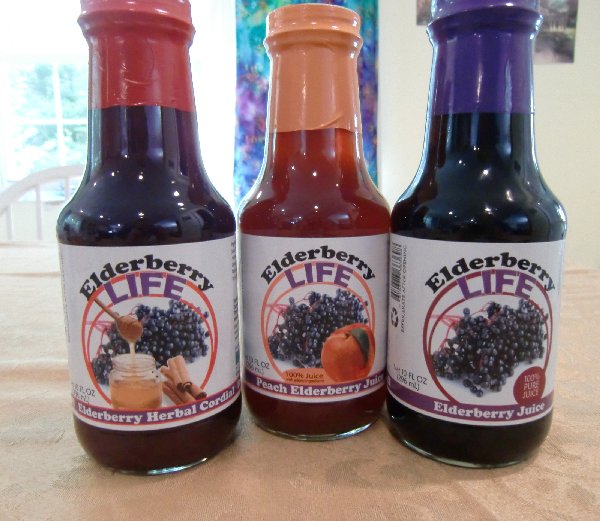
Elderberry Life - review and giveaway!

Elderberries are a superfood - no doubt about it. With flu season right around the corner, we want to beef up our immune system. Elderberry juices, jams, and cordials, are an easy way to make that happen.

Elderberry Life creations use elderberries that contain:

  • antioxidants
  • Vitamin C
  • calcium
  • magnesium
  • iron
  • potassium
  • Vitamin A
  • Vitamins B-6, thiamin, roboflavin, niacin, and folate
  • phosphorus
  • copper

Elderberries are a wonderful immune booster, are full of antioxidants, are anti-inflammatory, and contain anti-cancer compounds.

Of all the small fruits measured for the ORAC rating (ORAC = Oxygen Radical Absorbance Capacity), elderberry topped the list with a 147 rating. For comparison, strawberries were rated 36, raspberries 40, and blueberries 62.

When browsing Elderberry Life’s website, I came across an article here that mentions Hippocrates made the statement that the Elder tree was his medicine chest. Continue reading

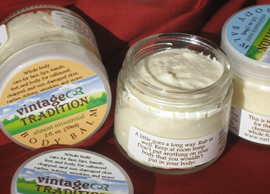
Vintage Tradition Body Balm - review and giveaway (set of three!)!


This is as traditional as it gets, guys!

Vintage Tradition makes delicious-smelling (or unscented) body balm using just three ingredients: organic tallow, organic olive oil, and organic essential oils (unscented contains no essential oils).

The tallow used in Vintage Tradition Body Balm comes from 100% grass-fed organic cows; the olive oil is certified organic, extra virgin; and the essential oils are Young Living Therapeutic Grade, Organic. Continue reading