
Seven+ Superfoods, Part 4: Acai

This is Part 4 in a series of Seven+ Superfoods. Previously, we have learned about Gac, Fucoidan, and Mangosteen.

This post is dedicated to Acai (ah-SIGH-ee), also known as “Amazon’s Healing Fruit” or Euterpe oleracea.

Why is Acai a Superfood?

Acai contains the highest free-radical-fighting power of any known fruit with 16 different antioxidants.

Acai contains 33 times the amount of anticianine, a potent antioxidant, than grapes do.

Anthocyanins, the reason many people drink red wine, are 30X more potent in Acai. Benefits without the buzz :)

A near-perfect essential amino acid complex, Acai’s most abundant mineral is potassium. Potassium helps to regulate the body’s water balance to prevent swelling and high blood pressure, and keeps the body’s acidity in check.

The second most abundant mineral in Acai is calcium, which promotes bone growth and density.

Acai is rich in iron, as well as vitamins A, B1, B2, B3, C, E, and K, which help promote collagen production, energy, restores tissue damage, protects cellular membranes, regulates the thickness of the blood, and regulates dopamine and serotonin production in the brain.

Acai contains beneficial fatty acids (omega-6 and -9) which reduce bad cholesterol and maintain good cholesterol levels. Continue reading
Science Facts Sundays: Maximizing Iron Absorbency, Part 8: Beverages & Cooking in Cast Iron

Welcome to Science Facts Sundays.

These are some notes I took when reading Iron Rich Foods: Unlock the Iron in Your Food and Fight Iron Deficiency by Amanda Rose, PH.D.

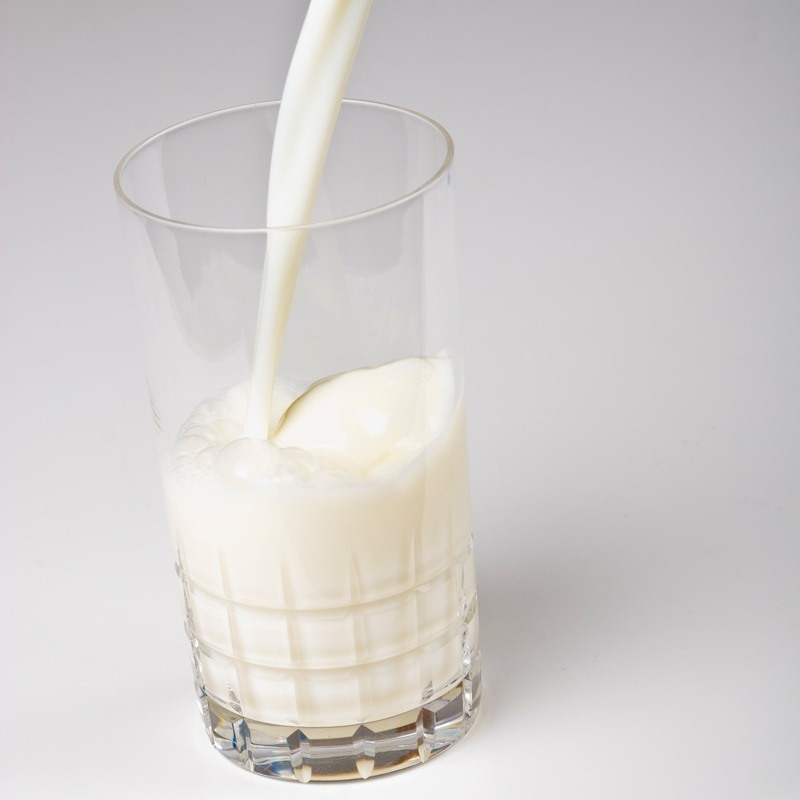
My daughter knows why we don’t drink milk with an iron-rich meal. She can tell you, “calcium inhibits iron absorption!”

I don’t see the point of eating foods and not being able to absorb them and utilize all their benefits. What a shame to waste the iron in our foods when we eat them with dairy products. Simply knowing to separate the foods for ultimate utilization can be helpful for combating low iron levels.

You may find this geeky - so be forewarned! If fermentation doesn’t appeal to you, check back in a few weeks and I’ll have moved on to something else that you may be interested in.

This week we learn how the beverages we consume can interfere with iron absorption, how white wine does not inhibit iron but red wine does, what to do if you still want to drink milk, wine, coffee and tea, how the timing of your beverage consumption affects iron absorption, what to do about desserts, how cast iron can help enhance the iron in your foods, and more… Continue reading

Sesame Honey Bites & Sesame Molasses Bites

Last week when I posted 5 Lies You’ve Been Told About Calcium, I shared a chart showing the amounts of calcium in foods. Sesame seeds topped the list! So when you eat these, ditch the calcium supplements that day - you won’t need them (hooray for eating food rather than supplements!).

I googled “sesame candy” and came across a recipe that I tweaked enough I can call it my own. I ended up with two recipes since I had both white and black sesame seeds on hand.

I teased those of you on Facebook earlier when I posted photos of the end result (sorry!) - so here are the recipes you have been waiting for! Continue reading

5 Lies You’ve Been Told About Calcium

It’s pretty common knowledge that calcium is an important mineral for bone growth and mineralization. We also need calcium to support nerve function, for healthy muscles, and to clot blood.
But when it comes to the best sources, the amount of calcium we need, and things we do that decrease calcium absorption, we are often left in the dark.

Or worse - lied to. Continue reading

Health Benefits of Chia Seeds - and a challenge

Did you know one tablespoon of chia seeds contains 2,375mg’s of omega-3′s? Chia seeds are the richest plant source of omega-3 fatty acids.

Chia seeds contain the highest known proportion of alpha linolenic acid (ALA) at over 60%. The omega-3 to omega-6 ratio is 3:1. They also contain 19-23% complete protein, providing all essential amino acids in appropriate balance.

Chia seeds are the superfood.

Unlike flax seed, another high source of omega-3′s, they don’t need to be ground before consuming. You can toss them on salads or in your yogurt, add to banana bread, or make a fruit pudding (recipes below).

Due to the strong antioxidant activity, the omega-3′s (DHA, EPA) are not easily oxidized like they are in flax seeds which don’t contain antioxidants.

Here is a breakdown of nutrients that you will find in one serving (2 TBSP) of chia seeds… Continue reading