
Science Facts Sundays: Maximizing Iron Absorbency, Part 8: Beverages & Cooking in Cast Iron
Welcome to Science Facts Sundays.
These are some notes I took when reading Iron Rich Foods: Unlock the Iron in Your Food and Fight Iron Deficiency by Amanda Rose, PH.D.
My daughter knows why we don’t drink milk with an iron-rich meal. She can tell you, “calcium inhibits iron absorption!”
I don’t see the point of eating foods and not being able to absorb them and utilize all their benefits. What a shame to waste the iron in our foods when we eat them with dairy products. Simply knowing to separate the foods for ultimate utilization can be helpful for combating low iron levels.
You may find this geeky - so be forewarned! If fermentation doesn’t appeal to you, check back in a few weeks and I’ll have moved on to something else that you may be interested in.
This week we learn how the beverages we consume can interfere with iron absorption, how white wine does not inhibit iron but red wine does, what to do if you still want to drink milk, wine, coffee and tea, how the timing of your beverage consumption affects iron absorption, what to do about desserts, how cast iron can help enhance the iron in your foods, and more… Continue reading
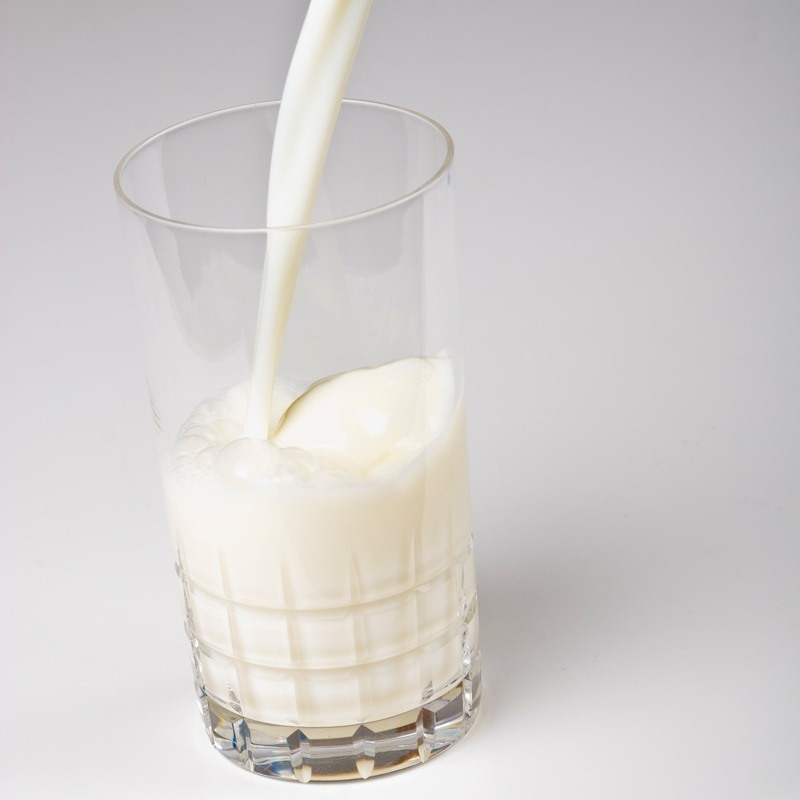 It’s pretty common knowledge that calcium is an important mineral for bone growth and mineralization. We also need calcium to support nerve function, for healthy muscles, and to clot blood.
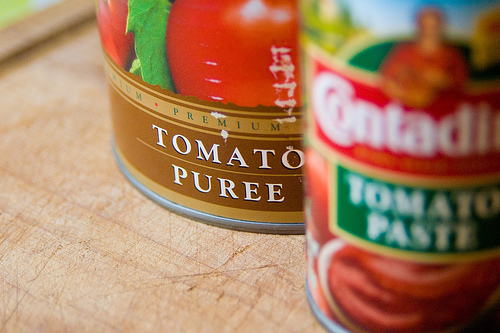 Canned Tomatoes
 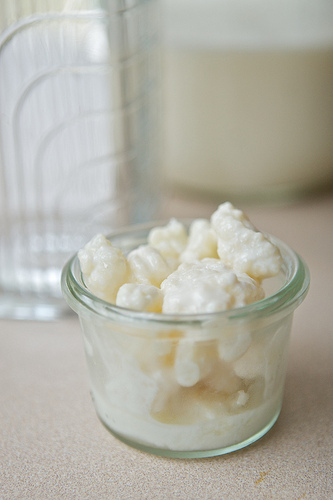 You might be a real foodie if…
 Prior to World War II, Americans didn’t ever drink skim or lowfat milk. Drinking such a product to stay “thin and healthy” would have been laughable. Americans would only drink whole milk. In fact, the larger the creamline on their milk, the higher quality the milk, and the more likely the consumer was to buy it. Milk wasn’t homogenized in those days, so a consumer could easily see the distinct creamline on the milk to determine quality.