
Vitamin B-12 – Are You Deficient? + Food Sources
7
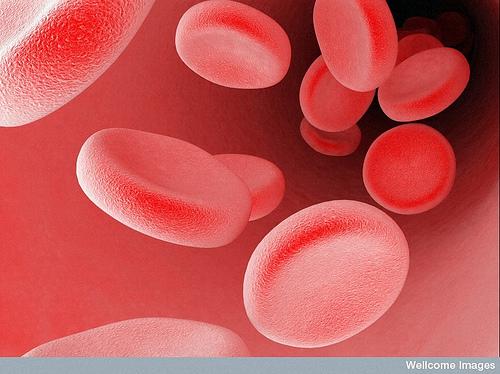 Vitamin B-12, although only needed in small quantities, is essential for:
- forming red blood cells
- a healthy nervous system
- maintaining fertility
- preventing anemia
- promoting normal growth and development
It is also critical for heart health since it lowers serum homocysteine levels - high homocysteine levels have been correlated with build-up of plaque in arteries and the tendency to form clots.
How Much Vitamin B-12 Should I Consume Daily?
Here is a handy reference chart to be used as a guideline only:
| Children 12 months and younger | 500 mcg |
| Children 1 - 12 years | 1000 mcg |
| Teens 13 -18 years | 1,500 - 1,800 mcg |
| Adults | 2,000 - 2,400 mcg |
| Pregnant/Lactating Women | 2,800 - 3,000 mcg |
Since some damage caused by B-12 deficiency is irreversible, it pays to find out what the warning signs are… Continue reading