The Weston A. Price Foundation provides accurate information about nutrition and is dedicated to putting nutrient-dense foods back on American tables.
Members receive a lively and informative quarterly journal and email updates on current issues and website events. Visit their at www.westonaprice.org
Are you confused about soy?
The Weston A. Price Foundation has compiled a list of soy dangers and myths to get the truth out once and for all.
Soy Dangers Summarized
* High levels of phytic acid in soy reduce assimilation of calcium, magnesium, copper, iron and zinc. Phytic acid in soy is not neutralized by ordinary preparation methods such as soaking, sprouting and long, slow cooking, but only with long fermentation. High-phytate diets have caused growth problems in children.
* Trypsin inhibitors in soy interfere with protein digestion and may cause pancreatic disorders. In test animals, soy containing trypsin inhibitors caused stunted growth.
* Soy phytoestrogens disrupt endocrine function and have the potential to cause infertility and to promote breast cancer in adult women.
* Soy phytoestrogens are potent antithyroid agents that cause hypothyroidism and may cause thyroid cancer. In infants, consumption of soy formula has been linked to autoimmune thyroid disease. Continue reading →

 Did you know 90% of the typical American grocery bill is spend on processed foods? Processed foods are loaded with preservatives and additives that are, quite frankly, ruining our health. These “foods” - if you can call them food - have a longer shelf life due to the dozens of chemical additives. But at what cost?
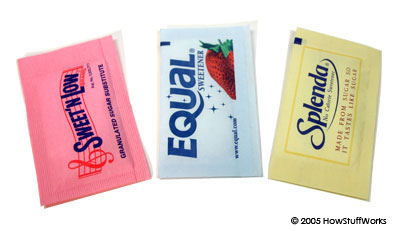 Drinks, candy, and chewing gum are potential sources of hidden MSG and/or aspartame, neotame. and AminoSweet (the new name for aspartame). Aspartic acid, found in neotame, aspartame (NutraSweet), and AminoSweet, ordinarily causes MSG type reactions in MSG sensitive people. (It would appear that calling aspartame “AminoSweet” is industry’s method of choice for hiding aspartame.) We have not seen Neotame used widely in the United States.
  Everyone knows that some people get reactions after eating the food ingredient monosodium glutamate -reactions that include migraine headaches, upset stomach, fuzzy thinking, diarrhea, heart irregularities, asthma, and/or mood swings. What many don’t know, is that more than 40 different ingredients contain the chemical in monosodium glutamate (processed free glutamic acid) that causes these reactions. The following list of ingredients that contain processed free glutamic acid has been compiled over the last 20 years from consumers’ reports of adverse reactions and information provided by manufacturers and food technologists.
 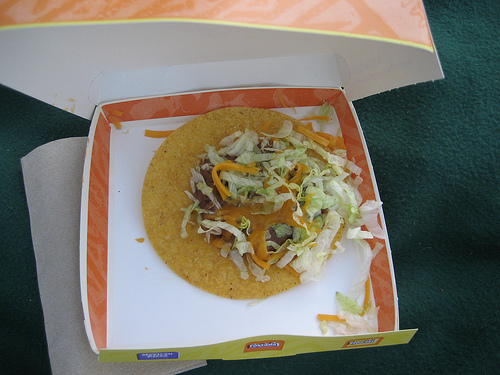 The word spread like wildfire across the internet: An Alabama law firm had filed a class action lawsuit against Taco Bell in California, saying its meat fails to meet the definition of beef set forth by the U.S. government (and even that’s a pretty low hurdle, if you ask me). The lawsuit claims Taco Bell’s meat cannot be honestly advertised as “beef” because it claims tests showed the meat was only 35% beef, not the 70% beef required by federal standards.
  Once a rare disease, cancer is now widespread, affecting as much as one-third of the population. The rise in cancer in the West has paralleled the rise in factory farming and the use of processed foods containing vegetable oils and additives.
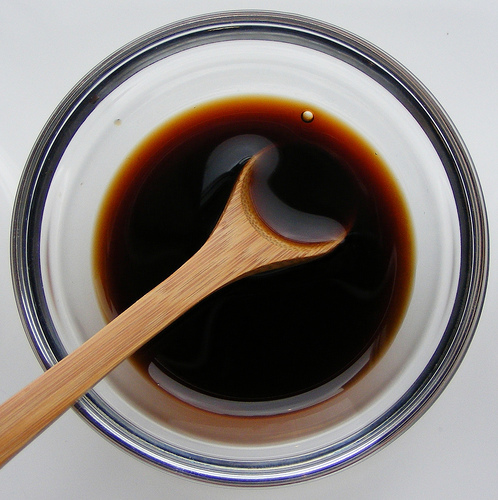 6. Bottled Sauces—Just gotta have your Thai, Teriyaki, or Jamaican Jerk sauce? Well, most bottled sauces contain MSG.
  Hidden MSG is not limited to use in food. MSG sensitive people have