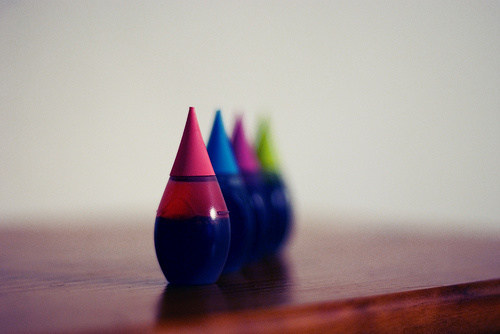
 Artificial colors, or FD&C colors, are mostly are derived from coal tar, which is a carcinogen. Over the years, many FD&C colors have been banned because of their harmful effects. And it is likely that more will be banned in the future. Some of the worst FD&C colors include: Green #3, Blue #1, Blue #2 and Yellow #6 which cause allergic reactions and cancer in lab animals. Red #3 is a carcinogen, which may interfere with nerve transmission in the brain and causes genetic damage. It is banned in cosmetics, but allowed in food, and it’s especially harmful to children. Yellow #5 causes allergic reactions in those sensitive to aspirin. It may be life threatening. Citrus red #2 is a known carcinogen. Its only allowed use is to color orange skins. So, If you use orange zest in some of your recipes, you may be ingesting carcinogens. Any color with “lake” after it means that aluminum has been added to the color to make it insoluble. Continue reading →

 Did you know 90% of the typical American grocery bill is spend on processed foods? Processed foods are loaded with preservatives and additives that are, quite frankly, ruining our health. These “foods” - if you can call them food - have a longer shelf life due to the dozens of chemical additives. But at what cost?